 |
 |
 |
| * Unsold lots available for sale at indicated reserve plus 22% buyer's commission plus postage & insurance.Loading... | First | Previous | Next | Last | Index |
| LITERATURE & CATALOGUES: EARLY MEDIEVAL AND ISLAMIC | ||||
| Lot | Description | Status | ||
| 14031 |
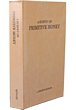
A Survey of Primitive Money: The Beginnings of Currency. A. Hingston Quiggin. Ocala, Florida, First Impressions Printing, 1992 reprint of the Methuen (London) 1949 first edition. 8vo, textured cream printed wraps, illustrated throughout with in-text figures by Daphne Kennett, 34 monochrome plates, and 4 folding maps, with a foreword by Charles J. Opitz and the original introduction by A.C. Haddon retained. A classic study of ?odd and curious? money in its real setting, surveying exchange media from shells, beads and teeth to salt, cloth, cattle, manillas, ring money, and tool and weapon forms, always focusing on how and why these currencies worked within society rather than treating them as curiosities. Broad geographic coverage spans Africa, Oceania, Asia, and the Americas, with useful discussion of circulation, ceremony, bridewealth and compensation, and the overlap between traditional monies and coined currency in contact periods. The plates and folding maps give strong visual support, while the text is rich in citations and remains a dependable foundation for identification and study. Bright, clean copy with only light handling, clean pages, and a small, neat tape reinforcement inside the front hinge.
| AVAILABLE at A$40 | ||
|---|---|---|---|---|
| 14032 |
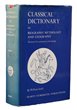
Classical Dictionary of Biography, Mythology and Geography, Illustrated by Antiquities and Coinage. William Smith (London, B. A. Seaby Ltd., 1972). Hardcover, 832 pages, illustrated. A substantial and highly useful classical reference, of particular value to numismatists, combining biography, mythology, and geography with antiquities and coinage to assist in the identification of figures, places, and mythological subjects appearing on ancient coins. Covers with light wear and shelf dust, spine fading, showing clear age and use; overall the book is in VG condition, clean internally and firmly bound. From the personal reference library of David Allen, a well known numismatist, formed over more than 50 years and used as a long term reference for research, attribution, and catalogue work.
| SOLD at A$90 | ||
| 14033 |
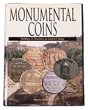
Monumental Coins: Buildings and Structures on Ancient Coinage. Marvin Tameanko (KP Books, 1999). Hardcover, 247 pages. A richly illustrated thematic reference exploring ancient coin types that depict architecture and the built environment, from temples, shrines, arches, gates, and city walls to public buildings and commemorative structures, bringing together clear photographs and supporting line drawings that make the designs easy to study and compare. Especially useful for collectors who build sets by reverse theme or city, it helps identify architectural types, understand what is being shown, and appreciate how civic pride, imperial propaganda, and local identity were expressed through buildings on coinage, while remaining an enjoyable browse even beyond strict attribution work. Paper cover with tiny tears, original book cover is in great condition, overall VG from many years of use. From the personal reference library of David Allen, a well known numismatist, formed over more than 50 years and used as a long term reference for research, attribution, and catalogue work.
| AVAILABLE at A$40 | ||
| 14034 |
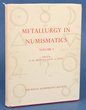
Metallurgy in Numismatics, Volume I. D. M. Metcalf and W. A. Oddy (eds.) (London, 1980). Royal Numismatic Society Special Publication No. 13, small 4to, viii, 217 pages plus figures and 28 plates, in original red cloth with dust jacket. The first volume in the important science-based Metallurgy in Numismatics series, bringing together technical studies, review articles, bibliographies, and critical notes across a wide range of numismatic fields. Particularly valuable for the way it applies scientific analysis directly to coinage, the volume includes studies on coins from the Asyut Hoard, the sources of silver for archaic Greek coinage, metal analysis in archaic Greek research, the silver content of Roman Republican issues, ninth-century Northumbrian coinage, Crusader gold and neutron activation analysis, Scottish placks and groats, Greek white gold and electrum, and chemical investigation of nineteenth-century English silver tokens, making it a highly useful reference for collectors, researchers, and specialists working at the intersection of numismatics and metallurgical study. Covers with light wear and shelf dust, spine fading, showing age and use; overall the book is in VG condition. From the personal reference library of David Allen, a well known numismatist, formed over more than 50 years and used as a long term reference for research, attribution, and catalogue work.
| SOLD at A$40 | ||
| 14035 |
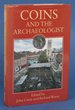
Coins and the Archaeologist. John Casey and Richard Reece (eds.) (London, Seaby, 1988, second edition, originally published as BAR 4 in 1974). Hardcover, 306 pages with 8 plates, charts, in text illustrations, notes, and index. A very useful collection of 14 papers examining the relationship between numismatic evidence and archaeological context, with particularly strong treatment of site finds, hoards, clustering patterns, counterfeits, and dating problems across Britain and beyond. With contributions by Anne Robertson, Richard Reece, George Boon, J. P. C. Kent, D. M. Metcalf, and others, it remains an important working reference for anyone using coins as archaeological data rather than simply as isolated objects. Covers with light wear and shelf dust, spine fading, showing age and use; overall the book is in VG condition. From the personal reference library of David Allen, a well known numismatist, formed over more than 50 years and used as a long term reference for research, attribution, and catalogue work.
| AVAILABLE at A$40 | ||
| 14036 |
Methods of Chemical and Metallurgical Investigation of Ancient Coinage. E. T. Hall and D. M. Metcalf (eds.) (London, Royal Numismatic Society, 1972). RNS Special Publication No. 8, small 4to, viii, 446 pages with figures, charts, tables, and 20 plates, in original red cloth with dust jacket. A scarce and important collection of specialist studies on the scientific examination of coinage, bringing together a wide range of analytical methods and case studies across periods and metals, with contributions addressing metal-content analysis, surface silvering, lead isotopes, specific gravity testing of gold, fluorescence and activation analysis, electron-probe microanalysis, alloy hardness and brittleness, Sutton Hoo gold, Merovingian gold standards and hoards, Roman imperial silver and aes, Antoniniani as historical evidence, and the effects of corrosion and time on analytical results. A cornerstone reference for the numismatist using metallurgical evidence in research, attribution, and deeper technical study, and increasingly difficult to locate in commerce. Covers with light wear and shelf dust, spine fading, showing age and use; overall the book is in VG condition. From the personal reference library of David Allen, a well known numismatist, formed over more than 50 years and used as a long term reference for research, attribution, and catalogue work.
| AVAILABLE at A$40 | ||
| 14037 |
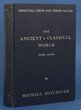
Oriental Coins and Their Values, Volume 2: The Ancient and Classical World, 600 B.C. to A.D. 650. Michael Mitchiner (Hawkins Publications, 1978, first edition). Hardcover, 760 pages, illustrated throughout. A massive and highly practical standard reference, ranging across an exceptionally broad span of eastern and related ancient coinages, with catalogue style coverage of fields seldom brought together in a single volume, including Hunnic and Scythian issues, Indo-Greek and Indo-Parthian, Persian and Sasanian, Arabian, Phoenician, Indian, and Chinese material, together with useful extension into adjacent areas such as Jewish and Roman provincial coinage where they intersect with the eastern world. An especially valuable working reference for identification, comparison, and broad numismatic research across multiple series. Covers with light wear and shelf dust, spine fading, showing age and use; no dust jacket, overall the book is in VG condition. From the personal reference library of David Allen, a well known numismatist, formed over more than 50 years and used as a long term reference for research, attribution, and catalogue work.
| SOLD at A$220 | ||
| 14038 |
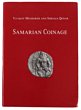
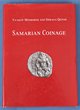
Samarian Coinage. Yaakov Meshorer and Shraga Qedar. Jerusalem, Israel Numismatic Society, 1999 (Numismatic Studies and Researches, Vol. IX). Large hardback in the original red dust jacket, 127 pages of text plus 31 full-page plates. The standard modern corpus for Samarian coinage of the Persian and early Hellenistic periods, laid out for accurate attribution with a clear numbering system, historical background, and detailed technical chapters on inscriptions and palaeography, types and prototypes, minting technique, the monetary system, and a carefully argued chronology. The catalogue is supported by useful tables and concordances, with an index for quick reference, and the plates are sharp and well scaled for close comparison of dies, fabric, and epigraphic detail. A very fresh copy, with a bright jacket, clean pages, and a firm, square binding.
| AVAILABLE at A$150 | ||
| 14039 |
Samarian Coinage. Shraga Qedar (1999). Hardcover with dust jacket, 160 pages, with 31 pages of strong photographic plates. The definitive modern reference for the coinage of ancient Samaria, developed from the work of the late Professor Ya?akov Meshorer in collaboration with Qedar, and cataloguing 224 different Samarian coin types in a clear and practical format that makes it highly useful for attribution, catalogue work, and wider background study. An important specialist reference, valued both for the strength of its photographic coverage and for the orderly presentation of a historically important and often difficult series. Covers with light wear and shelf dust, spine fading, showing age and use; overall the book is in VG condition. From the personal reference library of David Allen, a well known numismatist, formed over more than 50 years and used as a long term reference for research, attribution, and catalogue work.
| SOLD at A$40 | ||
| 14040 |
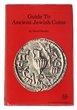
Guide to Ancient Jewish Coins. David Hendin (New York, Attic Books, 1976, first edition). Hardcover with dust jacket, 8vo, 134 pages, black and white illustrations, with values by Herbert Kreindler. An early and highly useful collector?s guide to the coinage of ancient Judaea and related biblical era issues, written to support practical attribution through clear descriptions and well chosen illustrations, and valued for bringing order and accessibility to a series that can be challenging for newcomers and specialists alike. Especially handy as a compact desk reference, it outlines the major types and rulers and provides collecting context alongside period market valuations, making it a solid snapshot of the field as it stood in the mid 1970s and a helpful companion to later, expanded Hendin works. Paper cover with light wear and shelf dust, original book cover is in great condition, overall VG from many years of use. From the personal reference library of David Allen, a well known numismatist, formed over more than 50 years and used as a long term reference for research, attribution, and catalogue work.
| AVAILABLE at A$40 | ||
| 14041 |
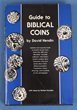
Guide to Biblical Coins. David Hendin (New York, 1987). Hardcover, 204 pages with 16 plates plus illustrations in the text. A widely used and practical reference for Biblical and ancient Jewish coinage, valued for its clear attribution structure, sensible arrangement, and ease of use at the desk, making it a dependable working guide for collectors, students, and cataloguers alike. Covers with light wear and shelf dust, spine fading, showing age and use; overall the book is in VG condition. From the personal reference library of David Allen, a well known numismatist, formed over more than 50 years and used as a long term reference for research, attribution, and catalogue work.
| AVAILABLE at A$40 | ||
| 14042 |
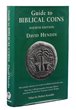
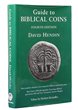
Guide to Biblical Coins, 4th Edition. David Hendin (Nyack, New York, Amphora, 2001). The expanded fourth edition of the most widely used practical reference for ancient Biblical and Jewish coinage, produced to serve both beginning and advanced collectors while preserving the familiar Hendin numbering system used in earlier editions. This edition is the most complete at the time of publication, listing more than 550 different coins with substantially enlarged text and significant new material, and it is especially strong as a hands-on attribution tool thanks to 38 pages of photographic plates illustrating more than 500 coins and weights. Long valued in the trade and by collectors as an everyday desk reference, it compiles decades of Hendin?s field experience and research, with valuations evaluated by the professional numismatist Herbert Kreindler, and remains one of the key gateways into the coinage of the Holy Land for collectors who want both clear identification and reliable context. Paper cover with light wear and shelf dust, original book cover is in great condition, overall VG from many years of use. From the personal reference library of David Allen, a well known numismatist, formed over more than 50 years and used as a long term reference for research, attribution, and catalogue work.
| SOLD at A$40 | ||
| 14043 |
Guide to Biblical Coins, 4th Edition. David Hendin (2001). Hardcover, 512 pages, illustrated. The standard and most widely used reference in the field at the time of publication, this important fourth edition expanded Hendin?s well established numbering system with substantial new material and a greatly enlarged treatment of the series, listing more than 550 different coins and supported by 38 pages of photographic plates illustrating more than 500 coins and weights. Written for both beginning and advanced collectors, it remains an especially practical and authoritative desk reference for Biblical and ancient Jewish coinage, with valuations by Herbert Kreindler, and reflects the deep experience Hendin built over decades of study, writing, and field work in the subject. Covers with light wear and shelf dust, spine fading, showing age and use; overall the book is in VG condition. From the personal reference library of David Allen, a well known numismatist, formed over more than 50 years and used as a long term reference for research, attribution, and catalogue work.
| SOLD at A$40 | ||
| 14044 |
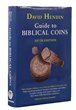
Guide to Biblical Coins, Fifth Edition. David Hendin (2010). Hardcover. The fully revised and updated edition of Hendin?s bestselling standard reference for ancient Judaean and Biblical coinage, expanded to reflect new archaeological discoveries and the work of a new generation of specialists, and long established as the everyday attribution tool for collectors, dealers, and scholars in this field. This edition adds a complete illustrated catalogue of the Judaea Capta series, a concordance to other major references, extensive endnotes with sources and commentary, a full index including an index of Latin inscriptions, and updated research that deepens the historical and numismatic context while keeping the book practical for identification and catalogue use. Updated values by Herbert Kreindler, with improved graphics and photo composites that make the diagnostics and explanations easier to follow in hand. Paper cover with light wear and shelf dust, original book cover is in great condition, overall VG from many years of use. From the personal reference library of David Allen, a well known numismatist, formed over more than 50 years and used as a long term reference for research, attribution, and catalogue work.
| SOLD at A$50 | ||
| 14045 |
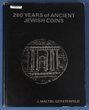
260 Years of Ancient Jewish Coinage. Jacob Maltiel-Gerstenfeld (Tel Aviv, Kol Printing Service Ltd., 1982). 317 pages, well illustrated throughout, in blue leatherette with dust jacket. A broad and practical survey of ancient Jewish coinage across roughly two and a half centuries, written as a useful reference for collectors and students, with plentiful illustrations that assist with quick identification and place the major series into their historical setting from the late Hasmoneans through the Herodian period and into the Roman era. A handy working volume for anyone seeking an accessible overview of this important field. Covers with light wear and shelf dust, spine fading, showing age and use; dust jacket lightly worn, with an undecipherable 1982 dated inscription on the title page, overall the book is in VG condition. From the personal reference library of David Allen, a well known numismatist, formed over more than 50 years and used as a long term reference for research, attribution, and catalogue work.
| AVAILABLE at A$75 | ||
| 14046 |
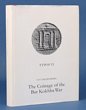
The Coinage of the Bar Kokhba War. Leo Mildenberg (Aarau, 1984). 396 pages with 44 plates, published as Typos VI, red cloth with dust jacket. The definitive corpus of the Bar Kokhba coinage, cataloguing 6,393 coins with 602 die couples and establishing the standard framework for attribution, die study, and further research into this major Jewish series. A fundamental scholarly reference, long valued for the precision of its corpus structure and its lasting importance for the study of one of the most historically charged and complex issues of ancient Jewish numismatics. Inscribed by the author to Arthur Houghton. Covers with light wear and shelf dust, spine fading, showing age and use; overall the book is in VG condition. From the personal reference library of David Allen, a well known numismatist, formed over more than 50 years and used as a long term reference for research, attribution, and catalogue work.
| SOLD at A$210 | ||
| 14047 |
Not Kosher: Forgeries of Ancient Jewish and Biblical Coins. Hardcover (January 15, 2005). A major specialist reference documenting the counterfeit landscape of ancient Jewish and Biblical coinage, illustrating and discussing more than 550 forged pieces, many produced specifically to deceive collectors and the market. Drawing on over 35 years of research and an extensive photographic archive, David Hendin sets out a practical diagnostic method for recognising spurious fabric, style, tooling, casting and striking characteristics, and repeating ?families? of forgeries, making the book valuable not only as a catalogue of known fakes but as a hands-on training manual for attribution and authentication. Particularly useful for dealers and advanced collectors, it records the breadth of false material encountered in the field and explains why even seemingly credible opinions have sometimes failed, providing a clear, photo-driven basis for identifying problem coins before money changes hands. Paper cover with light wear and shelf dust, original book cover is in great condition, overall VG from many years of use. From the personal reference library of David Allen, a well known numismatist, formed over more than 50 years and used as a long term reference for research, attribution, and catalogue work.
| SOLD at A$325 | ||
| 14048 |
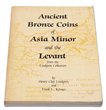
Ancient Bronze Coins of Asia Minor and the Levant from the Lindgren Collection, Volume I. Henry Clay Lindgren and Frank L. Kovacs (San Mateo, Chrysopylon Publications, 1985). A highly useful specialist reference devoted to the bronze coinages of Asia Minor and the Levant, forming the opening volume of the well known Ancient Coins from the Lindgren Collection series and valued for its practical catalogue format, broad regional coverage, and lasting usefulness in attribution and comparison across a difficult field of minor and provincial issues. An important working volume for collectors and cataloguers, especially helpful where smaller bronze series are concerned and standard references can be scattered or less accessible. Covers with light wear and shelf dust, spine fading, cover is good for the age and years of use, overall VG from many years of use. From the personal reference library of David Allen, a well known numismatist, formed over more than 50 years and used as a long term reference for research, attribution, and catalogue work.
| SOLD at A$40 | ||
| 14049 |
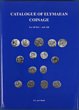
Catalogue of Elymaean Coinage, ca. 147 B.C. to A.D. 228. P.A. van?t Haaff. Classical Numismatic Group, 2007, first edition. A long-needed modern study of the coinage of Elymais in southwest Iran under Parthian authority, moving well beyond the earlier foundations of de Morgan and Alram by setting out the rulers, mints, chronology, types, and metrology in one clear, workable framework. The catalogue is organised by dynastic phases from the Kamnaskirids through the Elymais Arsacid line, with concise commentary, typological descriptions, and plentiful illustrations, supported by practical appendices including concordances, die-link notes, and compiled weight and size data for day-to-day attribution. A core reference for Parthian and Near Eastern specialists, and still the book most collectors reach for when an Elymaean piece needs a firm placement. As new, with bright covers and clean, crisp pages.
| SOLD at A$100 | ||
| 14050 |
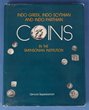
Indo-Greek, Indo-Scythian and Indo-Parthian Coins in the Smithsonian Institution. Osmund Bopearachchi (Washington, Smithsonian Institution, 1993). Hardcover with dust jacket, 143 pages with map and 41 fine plates, printed in India for the Smithsonian. A compact and very useful institutional catalogue of the Smithsonian holdings of Indo-Greek, Indo-Scythian, and Indo-Parthian coinage, especially valuable for attribution and close comparison across these closely related and often complex series, with strong plate coverage that makes it an efficient working reference at the desk. Covers with light wear and shelf dust, spine fading, showing age and use; lamination to the dust jacket lightly wrinkled as issued, overall the book is in VG condition. From the personal reference library of David Allen, a well known numismatist, formed over more than 50 years and used as a long term reference for research, attribution, and catalogue work.
| SOLD at A$75 | ||
| 14051 |
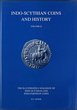
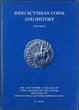
Indo-Scythian Coins and History, Volume II: The Illustrated Catalogue of Indo-Scythian and Indo-Parthian Coins. R.C. Senior. Lancaster, PA and London, Classical Numismatic Group, 2001, first edition. Paperback, 215 pages. ISBN 0-9636738-9-0 (Vol. II); 0-9709268-1-2 (three-volume set). The picture-atlas of the series, bringing together virtually every Indo-Scythian and Indo-Parthian type recorded by the author at publication, with the great majority of plates scanned directly from coins for consistent, easy comparison, supplemented by images from major museum and private holdings and important hoards. Arranged by rulers and issues, it is built for attribution, with systematic coverage of the Maues coinage, the Azilises and Azes series, the Vonones and Spalirises families, Apraccharajas and Aspavarma, the wider ?Rajas and Satraps? issues, Parthian-related types and countermarks, Gondophares and successors across key regions, and the Southern Satraps and related dynasties, all supported by practical tools including hoard summaries, monogram lists, glossary, appendices, and a full bibliography. A true bench reference for identification and cataloguing in a field where types, controls, and monograms can be notoriously complex. As new, with bright covers and clean pages throughout.
| SOLD at A$75 | ||
| 14052 |
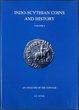
Indo-Scythian Coins and History, Volume I: An Analysis of the Coinage. R.C. Senior. Lancaster, PA and London, Classical Numismatic Group, 2001. Paperback. The opening volume of Senior?s three-volume study, setting out the historical background and a full chronological and typological analysis of Indo-Scythian and related coinages, with many attributions re-examined through hoard evidence, monograms, control letters, and changing weight standards. Coverage moves from Maues and associated regional issues through the Vonones and Spalirises families, Azilises, and the broad and complex Azes series, then continues with the Apraccharajas and Aspavarma, the wider ?Rajas and Satraps? period, Parthian-linked and countermarked issues, Gondophares and successors, and the southern satrapal lines, supported throughout by maps, figures, appendices, hoard tables, monogram lists, glossaries, concordances, and a substantial bibliography. A core working reference for attribution and historical study in Indo-Scythian, Indo-Parthian, and connected Indo-Greek and early Kushan numismatics. As new, with a bright cover and clean pages throughout.
| SOLD at A$100 | ||
| 14053 |
Indo-Scythian Coins and History, Volume III: The ?Easy Finder? Catalogue of Types, Monograms and Letters Appearing on Indo-Scythian and Indo-Parthian Coins. R.C. Senior. Lancaster, PA and London, Classical Numismatic Group, 2001, first edition. Paperback. ISBN 0-9709268-0-4 (Vol. III); 0-9709268-1-2 (three-volume set). The practical desk companion to the series, designed for fast attribution by reducing the material into clear line drawings, tables, and letterforms that let you match types, monograms, and control marks at a glance. Arranged ruler-by-ruler and by diagnostic devices, it runs from Maues and Azilises through Azes and related families, the Rajas and Satraps, countermarked and ?Parthian? issues, Gondophares and later Indo-Parthians, the Paratarajas, and the Western Satrap line, with the key reference charts at the end bringing together monograms and parallel alphabets for Greek, Kharosthi, Brahmi numerals, and Pahlavi. A genuinely useful benchbook that speeds up identification and helps keep attributions consistent across a notoriously complex series. As new, with bright covers and clean pages throughout.
| SOLD at A$75 | ||
| 14054 |
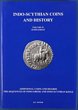
Indo-Scythian Coins and History, Volume IV Supplement: Additional Coins and Hoards; The Sequences of Indo-Greek and Indo-Scythian Kings. R.C. Senior. Lancaster, PA and London, Classical Numismatic Group, 2006, first edition. Paperback. ISBN 0-9709268-6-3. The long-awaited companion to Senior?s three-volume set (2001), extending and correcting the series with newly recorded varieties, additional rulers and types, and a major hoard dossier that refines the Indo-Greek and Indo-Scythian king sequences. The introduction tackles the main chronological and attribution questions, including successions, eras, overstrikes, monograms, weight standards, and hoard evidence, drawing on the steady flow of post-2000 discoveries and key epigraphic advances. The main section presents a supplementary catalogue of newly documented coins alongside a substantial register of hoards (including many of the standard named groups), supported by practical tables for comparisons, suggested dates, royal titles, dynastic types, and monogram sequences keyed to the earlier volumes. Compiled from first-hand records and the author?s own photographic material, it preserves primary data often scattered across sales and journals and remains a core working reference for cataloguers and advanced collectors. As new, with bright covers and clean pages throughout.
| SOLD at A$75 | ||
| 14055 |
System und Chronologie der M?nzpr?gung des Kusanreiches. Robert G?bl (Vienna, Austrian Academy of Sciences, 1984). German text with English, German, and Latin summaries, with index and bibliography. A major specialist study setting out the system and chronology of Kushan coinage in a rigorous, scholarly framework, valued for organising the series and providing a workable structure for attribution and sequence work across this complex imperial coinage. Covers with light wear and shelf dust, spine fading, cover is good for the age and years of use, overall VF from many years of use, unbelievable condition for such a book, about new and very well preserved over the years.
| AVAILABLE at A$300 | ||
| 14056 |
Sylloge Nummorum Sasanidarum (Paris, Berlin, Wien), Band I: Ardashir I to Shapur I. Michael Alram and Rika Gyselen, with contributions by P.O. Skj?rv?, R. Linke, M. Schreiner, and J.-N. Barrandon. Vienna, Verlag der ?sterreichischen Akademie der Wissenschaften, 2003, produced with the Biblioth?que nationale de France, the Berlin M?nzkabinett, and the Kunsthistorisches Museum Wien. Silver-blue pictorial hardback, approx. 393 pages, packed with full-page coin plates, typology charts, and metrological and analytical tables. This volume brings together the Paris, Berlin, and Vienna Sasanian holdings for the first two rulers, with substantial historical and numismatic studies on Ardashir I and Shapur I, a palaeographic section, and metallurgical work based on XRF analysis. The main catalogue follows in full detail, recording denominations, mints, legends, bust and reverse varieties, and concordances, with thorough indices and bibliography at the end. Bright, clean copy with sharp boards, crisp corners, and fresh pages throughout.
| SOLD at A$75 | ||
| 14057 |
Sylloge Nummorum Sasanidarum (Paris, Berlin, Wien), Volume II: Ohrmazd I to Ohrmazd II. Michael Alram and Rika Gyselen, with contributions by M. Blet-Lemarquand, C.G. Cereti, R. Linke, M. Melcher, N. Schindel and M. Schreiner. Vienna, Verlag der ?sterreichischen Akademie der Wissenschaften, 2012, produced with the Biblioth?que nationale de France, the Berlin M?nzkabinett, and the Kunsthistorisches Museum Wien. Large 4to, silver-blue pictorial boards as issued, 598 pages, with tri-lingual headings (German, English, French) and extensive illustration throughout. A major reference for the early Sasanian period, with substantial essays on monetary history and metrology followed by a fully referenced catalogue for the reigns from Ohrmazd I through Wahram I, Wahram II, Narseh, and Ohrmazd II, supported by detailed indices and a full bibliography. Exceptionally fresh copy with bright, sharp boards and corners, and a clean, immaculate interior.
| SOLD at A$75 | ||
| 14058 |
Sylloge Nummorum Sasanidarum (Paris, Berlin, Wien), Band III/1: Shapur II, Kawad I, Second Reign. Nikolaus Schindel, with contributions by S. Stanek, R. Linke and M. Schreiner. Vienna: Verlag der ?sterreichischen Akademie der Wissenschaften, 2004. ISBN 3-7001-3314-6. Pictorial hardback, c. 510 pp., extensively illustrated with plates, charts and analytical tables. An important volume in the SNS corpus, treating the coinage from Shapur II (AD 309?379) through the second reign of Kawad I (AD 499?531), with typology by ruler, detailed treatment of crown and bust varieties, and careful organisation of mints and mint signatures, backed by substantial metrology and legend work and frequent references to the main literature and collections. Imitations and doubtful pieces are addressed, and the appendices add real depth, including studies of the Marw mint, the Humeima hoard (Jordan), Sasanian minting in Sind, and a consolidated regnal chronology, with full indices and bibliography. Choice copy, clean and tight with only the faintest shelf wear.
| SOLD at A$100 | ||
| 14059 |
Sylloge Nummorum Sasanidarum (Paris, Berlin, Wien), Band III/2: Shapur II to Kawad I, Second Reign, Catalogue. Nikolaus Schindel. Vienna, Verlag der ?sterreichischen Akademie der Wissenschaften, 2004 (?AW Denkschriften 325; Ver?ffentlichungen der Numismatischen Kommission Band 42). Pictorial hardback, approx. 490?500 pages. ISBN 3-7001-3314-6. The working catalogue volume to SNS III/1, covering the coinage from Shapur II (AD 309 to 379) through the second reign of Kawad I (AD 499 to 531), set out ruler by ruler with the full typology, legend concordances, bust and crown varieties, denomination series and metrology, and carefully read mint signatures, supported by clear matrices of obverse and reverse combinations and a fully referenced catalogue drawing on major collections and earlier literature, with attention also to imitations and questionable or false pieces. Substantial appendices treat the Marw mint into the mid-fifth century, the Humeima hoard, Sasanian minting in Sind, and a consolidated group of related inscriptions and material sources, followed by detailed indices and bibliography. A bright, clean example with sharp boards, a square spine, and a fresh text block showing only the slightest shelf trace.
| SOLD at A$75 | ||
| 14060 |
Sylloge Nummorum Sasanidarum, Tajikistan: Sasanian Coins and their Imitations from Sogdiana and Tocharistan, Andrea Gariboldi (Vienna, Verlag der ?sterreichischen Akademie der Wissenschaften, 2017), large 4to pictorial hardback, 189 pp, ISBN 978-3-7001-8009-8, printed on acid-free coated stock. A tightly focused SNS sub-volume devoted to material from present-day Tajikistan, bringing together Sasanian coins and a wide range of local and post-Sasanian imitations from Sogdiana and Tocharistan, with excellent high-resolution photography and a full scholarly apparatus. The book sets the scene with introductory essays and then moves into a clear, typology-based catalogue with fully described entries, legends and countermarks, selected hoards (including an appendix on the Corgul?tepa hoard in the State Hermitage Museum), and thorough indices, abbreviations, and bibliography, making it a practical, specialist reference for Central Asian circulation from late Sasanian into early Islamic times. Condition about new, bright crisp boards, sharp corners, tight binding, and clean unmarked interiors.
| SOLD at A$75 | ||
| 14061 |
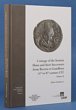
Coinage of the Iranian Huns and their Successors from Bactria to Gandhara, 4th to 8th century CE, Volume II only by Klaus Vondrovec, edited by Michael Alram and Judith A. Lerner, Austrian Academy of Sciences Press, Vienna, 2014. The second volume of this important specialist reference covers the later sections of the series, with particular focus on the Western Turk period and Gandharan copper coinage, followed by the typological overview, indices and bibliography. Based on the wider Aman ur Rahman Collection study, the work is richly illustrated and provides a detailed numismatic treatment of one of the most complex and historically important coinages of Central Asia, linking Bactria, Gandhara, the post-Hephthalite world, the Western Turks and related successor issues. Although offered here as Volume II only and not as the complete set, it remains a highly useful working reference for collectors, dealers and scholars handling Iranian Hun, Nezak, Western Turk and Gandharan copper material.
| SOLD at A$120 | ||
| 14062 |
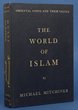
Oriental Coins and Their Values, Volume 1: The World of Islam. Michael Mitchiner (London, Hawkins Publications, 1977). Large format, 500 pages, well illustrated with maps, in blue leatherette. A practical and widely used catalogue reference for Islamic coinage within Mitchiner?s important Oriental Coins series, offering broad geographical and dynastic coverage in a single working volume and remaining especially useful for identification, comparison, and quick consultation across the Islamic world. An original printing on heavier paper stock, and a dependable desk reference for collectors, dealers, and researchers needing a broad survey in one volume. Covers with light wear and shelf dust, spine fading, showing age and use; bookplates present, binding tight, overall the book is in VG condition. From the personal reference library of David Allen, a well known numismatist, formed over more than 50 years and used as a long term reference for research, attribution, and catalogue work.
| SOLD at A$200 | ||
| 14063 |
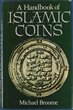
Handbook of Islamic Coins. Michael Broome. London, Seaby Publications Ltd., 1985. Hardback, 230 pages, gilt-titled, in the publisher?s dust jacket. ISBN 0-900652-66-7. A practical, well-organised guide to Islamic coinage from the earliest issues through the medieval period and beyond, arranged to help with attribution by dynasty, region, ruler, mint, and date. It opens with a clear introduction to reading Arabic legends (with transliteration), numerals and dating, mint names, titulature and common formulas, with notes on denominations, metals, fabric, and weights, then surveys the principal dynasties across the Islamic world with concise type descriptions and helpful historical context. Strong photographic plates support quick comparison of calligraphy and designs, making it a dependable desk reference as well as an accessible overview. A clean, sharp copy with a bright jacket and crisp, unmarked pages.
| AVAILABLE at A$40 | ||
| 14064 |
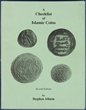
A Checklist of Islamic Coins (Second Edition). Stephen Album - Self-published, 1998 | Softcover, 151 pages. ISBN: 0-9636024-1-1. Stephen Album?s indispensable Checklist of Islamic Coins provides a concise, systematic classification of coin types from the early Islamic period through the later dynasties, including Umayyad, Abbasid, Fatimid, Mamluk, Safavid, and others. This second edition, published in 1998, expanded upon the original with additional data on rarity, strike variations, and sub-dynastic issues, serving both as a quick reference and a foundational framework for collectors and dealers. Though not richly illustrated, the checklist format has made this book a staple for those seeking clarity in identification and cataloging across a broad span of Islamic numismatics. G-VGC some signs of handling, light cover wear.
| AVAILABLE at A$30 | ||
| 14065 |
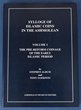
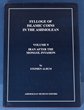
Ashmolean Museum. Sylloge of Islamic Coins. Volume 1: The Pre-Reform Coinage of the Early Islamic Period, by Stephen Album and Tony Goodwin. 2002. Brown cloth with dust jacket, 119 pages, 47 plates with facing text. An important and very useful reference for the earliest Islamic coinages before the great reform issues, presented in the clear and dependable sylloge format that makes comparison and attribution especially easy. A well-made scholarly volume with strong practical value for collectors and researchers of early Islamic numismatics. A very attractive copy, near new overall, with clean boards, a fresh dust jacket, and only the lightest signs of handling.
| SOLD at A$100 | ||
| 14066 |
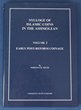
Nicol, Norman D. Sylloge of Islamic Coins in the Ashmolean, Volume 2: Early Post-Reform Coinage. Oxford, 2009. 4to, original blue cloth, gilt, with jacket, 14 pages, 4 maps, and 82 plates of coins with facing text. An essential and very useful reference for the early post-reform Islamic series, and a strong companion to the standard works of Walker and Klat, with the clear presentation and practical value expected from the Ashmolean sylloge volumes. A new copy, clean, fresh, and very well kept throughout.
| AVAILABLE at A$75 | ||
| 14067 |
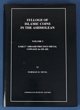
Nicol, Norman D. Sylloge of Islamic Coins in the Ashmolean, Volume 3: Early Abbasid Precious Metal Coinage (to 218 AH). Oxford, 2012. 4to, original blue cloth, gilt, with jacket, 19 pages, 4 maps, and 89 plates of coins with facing text. A significant and very useful volume in this important Ashmolean series, devoted to the gold and silver coinage of the early Abbasid period and illustrating nearly 2,100 coins. Clear, systematic, and easy to use, it is an essential reference for collectors and researchers working on early Abbasid numismatics, and a strong continuation of one of the most valuable sylloge projects in the field. A very attractive copy, new overall, clean, fresh, and very well kept throughout.
| SOLD at A$100 | ||
| 14068 |
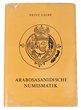
Arabosasanidische Numismatik by Heinz Gaube, volume II in the Handb?cher der Mittelasiatischen Numismatik series, published in Braunschweig by Klinkhardt & Biermann in 1973, is an important specialised reference on the Arab-Sasanian coinage, one of the most historically significant transitional series in early Islamic numismatics. Written in German, the work offers a focused scholarly treatment of this complex and highly studied field, making it a valuable resource for collectors, researchers, and students concerned with the transformation of Sasanian monetary traditions under early Islamic rule. A respected and useful handbook from a notable numismatic series, and an essential reference for any serious library on early Islamic and Iranian coinage.
| SOLD at A$40 | ||
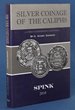
| 14069 |
Silver Coinage of the Caliphs, Collector?s Guide, A Fully Illustrated Catalogue by A. Shams Eshragh, second edition, published by Spink & Son Ltd, London, 2010. A substantial and highly useful illustrated reference to the silver coinage of the Caliphate, presented as a collector?s guide and fully illustrated catalogue in large format, with 326 pages of detailed material. Issued as a limited edition and now difficult to find, the work offers a broad visual survey of the series and serves as a practical and attractive handbook for collectors, researchers, and students of Islamic numismatics alike. An appealing modern reference on an important field of Islamic coinage. New copy.
| SOLD at A$230 | ||
| 14070 |
Sylloge of Islamic Coins in the Ashmolean, Volume 4. Oxford, 2012. Quarto, casebound with jacket, 14 pages plus 4 pages of maps, and 79 plates with accompanying text. An important and very useful continuation of the Ashmolean Islamic sylloge series, cataloguing more than 1,700 Abbasid gold and silver coins dated between 219 and 656 AH, together with a small group of late Abbasid copper issues. Based on the holdings of the Heberden Coin Room and the Shamma Collection, the material is arranged in a clear and practical manner by caliph and year, under mint names in Arabic alphabetical order, making it a dependable reference for attribution and study of the later Abbasid series. A very attractive scholarly volume, clean, fresh, and well kept overall.
| SOLD at A$75 | ||
| 14071 |
Sylloge of Islamic Coins in the Ashmolean: Volume 6 An important and substantial reference work cataloguing nearly 1600 Islamic coins dating from the 9th to the 16th centuries, covering a vast geographical range from North Africa to Great Syria. Drawing on the collections of the Heberden Coin Room and the Shamma Collection, this volume differs from earlier SICA publications by arranging the material by dynasty and ruler, a practical and valuable approach that reflects the richness and diversity of the series represented. A highly useful scholarly catalogue for collectors, researchers, and specialists in Islamic numismatics, offering a major resource for the study of medieval Islamic coinage across a wide historical and regional spectrum.
| SOLD at A$40 | ||
| 14072 |
Sylloge of Islamic Coins in the Ashmolean. Volume 10, Arabia and East Africa by Stephen Album, published by the Ashmolean Museum, Oxford, in 1999, is an important specialised reference in the celebrated Ashmolean sylloge series, devoted to the coinage of Arabia and East Africa. A valuable scholarly catalogue for collectors, researchers, and students of Islamic numismatics, it brings together material from regions of considerable historical and commercial importance, offering a focused contribution to the study of Islamic coinage beyond the central lands of the caliphate. An essential and increasingly desirable reference from one of the major institutional series in the field.
| SOLD at A$110 | ||
| 14073 |
The Dabuyid Ispahbads and Early Abbasid Governors of Tabaristan: History and Numismatics. H. M. Malek (London, Royal Numismatic Society, 2004). RNS Special Publication No. 39, hardcover, 185 pages with 37 black and white plates, a specialist study linking the political history of Tabaristan with its distinctive early Islamic coinage, useful for attribution and for understanding the local dynastic and administrative context behind the issues. Covers with light wear and shelf dust, spine fading, hardcover, cover is good for the age and years of use, overall VG from many years of use. From the personal reference library of David Allen, a well known numismatist, formed over more than 50 years and used as a long term reference for research, attribution, and catalogue work.
| SOLD at A$40 | ||
| 14074 |
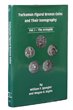
Turkoman Figural Bronze Coins and Their Iconography, Volume I, The Artuqids is one of the key modern studies of medieval Islamic figural coinage, offering a specialised and highly important treatment of the remarkable bronze issues of the Artuqids. Written by William F. Spengler and Wayne Gerald Sayles, a widely respected scholar, author, and founder of The Celator, the work combines numismatic study with art historical insight, exploring both the coinage itself and the rich iconographic traditions reflected in these striking Turkoman types. A valuable reference for collectors, researchers, and students of Islamic and medieval numismatics, it remains an essential work for the study of one of the most distinctive and visually compelling series in the field.
| SOLD at A$60 | ||
| 14075 |
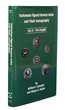
Turkoman Figural Bronze Coins and Their Iconography, Volume II by William F. Spengler and Wayne G. Sayles, published by Clio?s Cabinet in 1992, is the companion volume to one of the most important modern studies of medieval Islamic figural coinage. Continuing this specialised and highly respected series, the book offers further detailed treatment of the remarkable Turkoman bronze issues, combining careful numismatic analysis with a strong focus on iconography and historical context. A valuable and increasingly sought-after reference for collectors, scholars, and students of Islamic and medieval coinage, it remains an essential work for anyone building a serious library on the fascinating figural bronze series of the medieval Near East.
| SOLD at A$60 | ||
| 14076 |
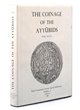
The Coinage of the Ayyubids by Paul Balog, published by the Royal Numismatic Society, London, in 1980, is one of the standard and most important references on Ayyubid numismatics, offering a comprehensive study of this historically significant Islamic dynasty and its coinage. This substantial volume extends to xiii, 334 pages and is illustrated with 50 plates of coins, making it an essential tool for collectors, scholars, and researchers working on medieval Islamic issues. Well produced in crown quarto format and long respected in the field, it remains a key library reference for the classification and study of Ayyubid coinage. A very attractive example in the original red cloth with dust jacket, about new.
| SOLD at A$75 | ||
| 14077 |
Coins of Iran After the Mongol Invasion, Volume 9 (Sylloge of Islamic Coins in the Ashmolean Museum) A major and highly important reference on later Islamic coinage, this substantial volume catalogues nearly 1800 coins struck between the 13th and 19th centuries across Iran, Afghanistan, and neighbouring regions, covering the Ilkhanid, Timurid, Qara Quyunlu, Aq Quyunlu, Safavid, Qajar, Durrani, and Barakzay dynasties. The material is arranged by mint and in chronological order within each mint, and is supported by six maps and an index of names and titles, making the work especially practical for both scholarly consultation and collector use. The introduction is of particular value, serving not only as a guide to the catalogue itself but also as a thoughtful framework for the study of monetary history in the post-Mongol Islamic world, where coinage begins to offer especially rich evidence for the policies behind monetary production. Drawn entirely from the holdings of the Heberden Coin Room at the Ashmolean Museum, including the important Thorburn collection, this volume forms the second in the projected Sylloge series devoted to one of the great public collections of Islamic coins, together with the renowned collection of Samir Shamma, and remains an essential work for collectors, researchers, and specialists in Islamic numismatics.
| SOLD at A$150 | ||
| 14078 |
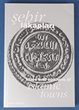
Sehir Lakaplari, Titles and Epithets of Islamic Towns by Omer Diler is a specialised and highly useful reference devoted to the titles, epithets, orthography, and identification of Islamic towns associated with coin mints, making it an important tool for collectors, researchers, and students of Islamic numismatics. Written by one of the most respected modern scholars in the field, whose work on Ottoman and other Islamic coinages is widely valued, this volume is particularly helpful for the study of mint names and the correct reading and attribution of Islamic coin legends. A desirable and practical handbook for the numismatic library, especially valuable for those working with medieval and Islamic mint attributions. New copy.
| SOLD at A$25 | ||
| 14079 |
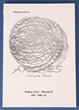
Akches, Volume One, Orhan Gazi to Murad II, 699-848 AH by Slobodan Sreckovic, published in Belgrade in 1999, is the first volume in the author?s ambitious multi-volume study of Ottoman akche coinage and represents one of the most dedicated modern works on the early Ottoman silver series. Written in English and extending to 190 pages in softcover, the book presents a detailed treatment of the coinage from Orhan Gazi through Murad II, including not only the main types but also a remarkable range of die varieties, supported by the author?s characteristic line drawings and enlarged photographs, many from his own collection. Particularly valuable for collectors and researchers of early Ottoman and related Anatolian coinages, the volume reflects a lifetime of specialised study and stands as an important, practical, and increasingly desirable reference for the specialist numismatic library.
| SOLD at A$70 | ||
| 14080 |
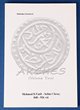
Akches, Volume Two, Mehmed II Fatih to Selim I Yavuz, 848-926 AH by Slobodan Sreckovic is an important specialised reference on Ottoman akche coinage, covering the silver issues of the empire from the reign of Mehmed II through Selim I. As part of Sreckovic?s valued multi-volume study of the Ottoman series, this volume is particularly useful for collectors and researchers seeking a focused treatment of one of the most historically significant periods in early Ottoman numismatics. A desirable and increasingly difficult reference from a respected private scholar, and an essential companion volume for the specialist library on Ottoman coinage.
| SOLD at A$60 | ||
| 14081 |
Akches, Volume Three (Suleyman I Kanuni, 926-974 AH) published in Belgrade in 2003, is an important specialised reference devoted to the akche coinage of Sultan Suleyman I, one of the central and most historically significant rulers of the Ottoman series. Issued in a limited printing of only 400 copies, this substantial volume extends to 245 pages with abundant illustrations and LVII plates, offering a focused and practical study of the silver coinage of the period. A valuable work for collectors, researchers, and students of Ottoman numismatics, and a desirable limited edition reference for the specialist library.
| SOLD at A$45 | ||
| 14082 |
Sreckovic, Slobodan. Akches, Volume Four: Selim II Sari, Murad III (974?1003 AH / 1566?1595 AD). Belgrade: Pangraf, 2005. 8vo, original printed card covers, 186 pp., illustrated with photographic plates and line drawings. Serbian text (Latin script). Covers the Ottoman silver akches of Selim II through Murad III, arranged by mint with the principal types and inscriptions, weight notes, and cross references, spanning a broad range of Balkan and Anatolian mints and clarifying a number of attributions along the way. Scarce, from the edition limited to 300 numbered copies, this is copy no. 138, signed by the author. Choice, a bright and crisp example.
| AVAILABLE at A$100 | ||
| 14083 |
Sreckovic, Slobodan. Akches, Volume Five: Mehmed III, Mustafa I (1003?1032 AH / 1595?1623 AD). Belgrade, 2007. 8vo, original printed card covers, 233 pp., profusely illustrated with line drawings and photographic plates. Serbian text (Latin script). Covers the akche issues of Mehmed III through Mustafa I (including both reigns), arranged by mint and type, with clear treatment of the main obverse and reverse varieties, inscriptions, weights and references, and useful discussion of countermarks and die varieties across the mints active in this period, supported by weight data from large samples. Strictly limited to 300 numbered copies, this is copy no. 082, signed by the author, and dedicated to the memory of Omer Diler. Superb. High quality example.
| AVAILABLE at A$75 | ||
| 14084 |
Sreckovic, Slobodan. Akches, Volume Six: Murad IV, Ahmed III (1032?1143 AH / 1623?1730 AD). Sremska Mitrovica: Numus, Blago Sirmijuma, 2009. 8vo, original printed card covers, 155 pp., illustrated with photographs and drawings. Serbian text (Latin script), with transliterations, standard abbreviations, and detailed catalogue entries. Published in the Biblioteka Numus series, covering the akche issues from Murad IV through Ahmed III, arranged by reign with mints, inscriptions, and the principal types and varieties, supported by plates drawn from museum and private material. Scarce, from the edition limited to 300 copies. High quality example.
| SOLD at A$75 | ||
| 14085 |
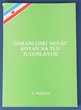
Osmanlijski novac kovan na tlu Jugoslavije by Slobodan Sreckovic, published in Belgrade in 1987, is a useful and specialised numismatic study of Ottoman coins struck in the lands of former Yugoslavia, covering the period circa 1431 to 1688. Issued in a limited edition of only 500 copies, this example numbered 349 and inscribed by the author, the work presents its text in Serbo-Croatian with full English translations, making it especially accessible to a wider collecting and research audience. An important regional reference for Ottoman and Balkan numismatics, valued for its focused treatment of a comparatively neglected field and for its appeal as a limited author-inscribed edition. Minor wear, VG.
| SOLD at A$25 | ||
| 14086 |
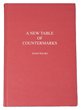
A New Table of Countermarks by Hans Wilski, published by Kinzelbach in 2002, is a highly useful specialised reference devoted to the study of countermarks and countermarked coins, expanding upon the author?s earlier work on Ottoman material while standing fully on its own as an important independent catalogue. Incorporating new discoveries, corrected readings, improved drawings, and clearer illustrations, the volume offers a comprehensive treatment of the subject and reflects the steady growth of research in this complex field. With 144 pages, 10 photographic plates, tables, and numerous text figures, and issued in hardcover with sewn binding, it is a practical and desirable reference for collectors, researchers, and specialists concerned with Ottoman and related countermarked coinage.
| SOLD at A$40 | ||

| First | Previous | Next | Last | Index |