 |
 |
 |
| * Unsold lots available for sale at indicated reserve plus 22% buyer's commission plus postage & insurance.Loading... | First | Previous | Next | Last | Index |
| LITERATURE & CATALOGUES: ROMAN | ||||
| Lot | Description | Status | ||
| 13958 |
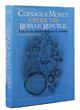
Coinage and Money under the Roman Republic: Italy and the Mediterranean Economy. Michael H. Crawford (Berkeley and Los Angeles, University of California Press, 1992, first edition). A major synthesis by one of the leading authorities on Roman Republican numismatics, examining coinage not simply as a sequence of types but as an economic and political instrument within the wider Mediterranean world, with particular attention to how monetary practice developed in Italy and interacted with trade, state finance, warfare, and expansion. Illustrated in black and white throughout, the book links the evidence of coin production, circulation, and monetary policy to broader questions of republican administration and economic change, making it an essential contextual companion to Crawford?s type based reference work and a valuable read for collectors and scholars who want to understand what Roman money was doing in the economy, not just what it looked like. Paper cover with light wear and shelf dust, dust jacket lightly rubbed and creased, original book cover is in great condition, overall VG from many years of use. From the personal reference library of David Allen, a well known numismatist, formed over more than 50 years and used as a long term reference for research, attribution, and catalogue work.
| SOLD at A$100 | ||
|---|---|---|---|---|
| 13959 |
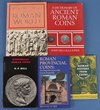
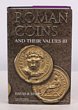
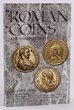
Classical and Roman numismatics, spanning a broad sweep of ancient history from Greek civic coinage through the Roman Republic, Empire, late antiquity, and the provincial series. A useful and varied working group, bringing together studies of architectural and civic types, practical collector?s handbooks, introductory surveys, and standard reference works for both the central imperial and provincial coinages. Included are: (1) Price and Trell, Coins and Their Cities, an illustrated study of architectural types on the coins of Greece, Rome, and Palestine, linking monuments and civic iconography to their issuing mints; (2) David R. Sear, Roman Coins and Their Values, a practical handbook and market guide for identification and valuation across the imperial series; (3) Richard Reece, Roman Coins, a concise and widely used introduction helping collectors and students recognise the principal denominations, types, and historical framework of Roman coinage; (4) R. A. G. Carson, Principal Coins of the Romans, Volume I: The Republic (c. 290-31 B.C.), outlining the development of early Roman coinage and the main Republican issues and types; (5) R. A. G. Carson, Principal Coins of the Romans, Volume III: The Dominate (A.D. 294-498), extending the series into the reformed late Empire and the fifth century with its principal types and monetary developments; and (6) Roman Provincial Coinage, Supplement I, British Museum Press, an essential companion volume extending the RPC corpus and particularly valuable for attribution and reference beyond the central imperial coinage. Covers with light wear and shelf dust, spine fading, showing age and use; with some spotting and handling to a few of the card covers, overall the books are in VG condition. From the personal reference library of David Allen, a well known numismatist, formed over more than 50 years and used as a long term reference for research, attribution, and catalogue work. (7 books)
| AVAILABLE at A$100 | ||
| 13960 |
Important BAR numismatic studies comprising Youroukova, Coins of the Ancient Thracians (BAR Supplementary Series 4, 1976); Carradice, Coinage and Finances in the Reign of Domitian A.D. 81-96 (BAR International Series 178, 1983); MacDonald, Greek and Roman Coins from Aphrodisias (BAR Supplementary Series 9, 1976); Villaronga, The Aes Coinage of Emporion (BAR Supplementary Series 23, 1977); Zograph, Ancient Coinage, Band 1, The General Problems of Ancient Numismatics and Band 2 (BAR Supplementary Series 33 (i-ii), 1977); and Walker, The Metrology of the Roman Silver Coinage, Parts I-III, from Augustus to Domitian, Nerva to Commodus, and Pertinax to Uranius Antoninus (BAR Supplementary Series 5, 22, and 40, 1976-1978). A strong specialist shelf group spanning Thracian, Greek, Roman provincial, and Roman imperial material, with method and metrology, and far more often found title by title than kept together as a working set. Red card covers with light wear and shelf dust, spine fading, covers good for the age and years of use, overall VG from many years of use. From the personal reference library of David Allen, a well known numismatist, formed over more than 50 years and used as a long term reference for research, attribution, and catalogue work. ( 9 books)
| SOLD at A$200 | ||
| 13961 |
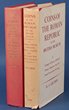
Coins of the Roman Republic in the British Museum, Volumes I?II. H. A. Grueber (London, British Museum, 1910). Quarto. Volume I covers Aes Rude, Aes Signatum, Aes Grave, and the coinage of Rome from 268 B.C.; Volume II covers the coinages of Rome, Roman Campania, Italy, the Social War, and the provinces. The time-honoured classic British Museum corpus for Republican coinage, valued for its careful organisation and the quality of the original collotype plates, and still regularly cited in serious catalogue work. Covers with light wear and shelf dust, spine fading, Volume I in original half morocco, Volume II in later cloth, top edge gilt, cover is good for the age and years of use, overall VG from many years of use. From the personal reference library of David Allen, a well known numismatist, formed over more than 50 years and used as a long term reference for research, attribution, and catalogue work.
| AVAILABLE at A$100 | ||
| 13962 |
Roman coins and Roman reference. A useful and well chosen group of Roman numismatic references, bringing together introductory, historical, biographical, and dictionary style works that remain practical for everyday consultation. Included are: (1) Roman Provincial Coins: An Introduction to the Greek Imperials, Kevin Butcher (London, Seaby, 1988), 138 pages with 8 plates, maps, and line drawings, a handy and now out of print introduction to Roman provincial coinage; (2) Roman History from Coins: Some Uses of the Imperial Coinage to the Historian, Michael Grant (1968), paperback with plates, a clear and readable guide to the use of coins as historical evidence; (3) Who Was Who in the Roman World, 753 B.C. to A.D. 476, Diana Bowder (Oxford, Phaidon Press, 1980, first edition), hardcover, a useful biographical desk reference for the wider Roman world; (4) A Dictionary of Ancient Roman Coins, John Melville-Jones, a practical dictionary style handbook for types, terms, and basic Roman coinage study; and (5) Historical Roman Coins, G. F. Hill, a classic older survey linking Roman history with coin types. An unusually strong mixed lot, with each volume useful in its own right and together forming a convenient working group for collectors, students, and cataloguers. Covers with light wear and shelf dust, spine fading, showing age and use; overall the books are in VG condition. From the personal reference library of David Allen, a well known numismatist, formed over more than 50 years and used as a long term reference for research, attribution, and catalogue work.
| SOLD at A$100 | ||
| 13963 |
Corpus Nummorum Romanorum, Monetazione Repubblicana, Alberto Banti,. A useful specialist group from this important Roman Republican series, comprising (1) Abvria - Atilia (1,223 illustrations), (2) Avfidia - Calpvrnia (1,593 illustrations), (3) Canidia - Cornelia (1,653 illustrations), (4) Cornvficia - Gallia (1,281 illustrations), and (5) Gargilia - Mamilia (1,495 illustrations). A valuable working reference for the classification of Roman Republican family coinages, arranged alphabetically and richly illustrated, and always useful in the specialist numismatic library for attribution and research. Covers with light wear and shelf dust, good for the age and years of use, some scattered spotting visible internally on certain volumes, overall VG from many years of use. From the personal reference library of David Allen, a well known numismatist, formed over more than 50 years and used as a long term reference for research, attribution, and catalogue work. (5 books)
| AVAILABLE at A$300 | ||
| 13964 |
Sylloge Nummorum Romanorum, Italia, Milano, Civiche Raccolte Numismatiche. (1) Vol. I, Giulio-Claudi, Part 1, Augustus?Tiberius. (2) Vol. I, Giulio-Claudi, Part 2, Gaius?Claudius. (3) Vol. I, Giulio-Claudi, Part 3, Nero. (4) Vol. II, Clodius Macer?Vitellius. A practical institutional catalogue run in Sylloge format with systematic listings and plate-supported comparison, useful for attribution across the Julio-Claudian period and the transition into A.D. 68?69. Covers with light wear and shelf dust, spine fading, covers are good for the age and years of use, overall VG from many years of use. From the personal reference library of David Allen, a well known numismatist, formed over more than 50 years and used as a long term reference for research, attribution, and catalogue work. (4 volumes)
| AVAILABLE at A$200 | ||
| 13965 |
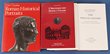
The Twelve Caesars and related. A well chosen group centred on the emperors of the early Roman Empire, combining literary, historical, and numismatic approaches in a useful and appealing reference lot. Included are: (1) The Twelve Caesars, Gaius Suetonius Tranquillus (Folio Society, 1998), hardcover in slipcase, the classic series of imperial biographies and an engaging companion for the personalities and court life of the early empire; (2) Roman Historical Portraits (Aspects of Greek and Roman Life), J. M. C. Toynbee (1978), hardcover, a concise scholarly study of Roman portraiture and its place in society, representation, and imperial ideology; and (3) I Sesterzi dei Dodici Cesari, dal Medagliere della Biblioteca Apostolica Vaticana (Numismata Italia exhibition catalogue, 4-6 October 1996), paperback, 125 pages, illustrated in black and white and colour, presenting the Vatican collection?s Twelve Caesars sestertii with useful plates for comparison and study. A strong mixed lot, with each volume useful in its own right and together forming an attractive working group for the collector or student of the early Roman emperors. Covers with light wear and shelf dust, spine fading, showing age and use; overall the books are in VG condition. From the personal reference library of David Allen, a well known numismatist, formed over more than 50 years and used as a long term reference for research, attribution, and catalogue work. (3 books)
| AVAILABLE at A$100 | ||
| 13966 |
I Medaglioni Romani by Francesco Gnecchi, complete three-volume set, published by Forni Editore, Bologna, comprising Volume I, Oro ed Argento; Volume II, Bronzo, Parte Prima, Gran Modulo; and Volume III, Bronzo, Parte Seconda, Moduli Minori; Parte Terza, Medaglioni del Senato. A substantial and highly important reference on Roman medallions, issued as a complete scholarly work with 162 plates from the original specimens, and long regarded as one of the classic foundational studies for the series. Complete sets are always desirable in the numismatic library, particularly when all three volumes are present together in matching cloth, as here. Cloth bindings with light general wear and handling, a few small marks from use, sound and presentable, internally clean, fresh, and well kept, overall VG to better for many years of use. From the personal reference library of David Allen, a well known numismatist, formed over more than 50 years and used as a long term reference for research, attribution, and catalogue work. (3 volumes)
| AVAILABLE at A$200 | ||
| 13967 |
The Roman Imperial Coinage by Mattingly, Sydenham, Sutherland, Carson and others, a substantial cloth-bound Spink run comprising (1) Volume I, Augustus to Vitellius; (2) Volume II, Vespasian to Hadrian; (3) Volume III, Antoninus Pius to Commodus; (4) Volume IV, Part I, Pertinax to Geta; (5) Volume IV, Part II, Macrinus to Pupienus; (6) Volume IV, Part III, Gordian III to Uranius Antoninus; (7) Volume V, Part I, Valerian to Florian; (8) Volume V, Part II, Probus to Amandus; (9) Volume VI; (10) Volume VII, Constantine to Licinius; and (11) Volume VIII. One of the great pillars of the numismatic library, the RIC series remains the standard corpus for Roman imperial coinage and is indispensable for research, attribution, and catalogue work, with long runs and matching groups always sought after by collectors, scholars, and cataloguers. Covers with light wear and shelf dust, minor spine fading, good for the age and years of use, overall VG from many years of use. From the personal reference library of David Allen, a well known numismatist, formed over more than 50 years and used as a long term reference for research, attribution, and catalogue work. (11 books).
| SOLD at A$500 | ||
| 13968 |
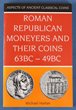
Roman Republican Moneyers and Their Coins, 63 B.C. to 49 B.C. Michael Harlan (Aspects of Ancient Classical Coins, first edition). A focused and highly useful study of the late Republican moneyers, examining a well documented group of 30 issuers from the years immediately preceding the civil wars and using their coinage to reconstruct careers, family connections, and political intent. The work is especially valuable for its clear treatment of how types, legends, and selected imagery functioned as statements of ancestry, office, and propaganda during one of the most strained and decisive phases of the Roman Republic. Covers with light wear and shelf dust, spine fading, showing age and use; overall the book is in VG condition, clean internally. From the personal reference library of David Allen, a well known numismatist, formed over more than 50 years and used as a long term reference for research, attribution, and catalogue work.
| SOLD at A$130 | ||
| 13969 |
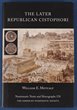
The Later Republican Cistophori. William E. Metcalf (Numismatic Notes and Monographs 170, New York, American Numismatic Society, 2017). A specialist study of the cistophoric coinage bearing the names of Roman magistrates, most often proconsuls, struck in 58 to 48 B.C., together with related issues that depart from the older Attalid pattern, and placing the series within its wider context from its Hellenistic origins through its continuation under Roman rule after 133 B.C. The volume catalogues and illustrates approximately 523 cistophori and fractions from Ephesus, Pergamum, Tralles, and Apameia, including the ATPA series, with detailed discussion of the governors and Greek signers, and useful appendices on weight and fineness, names and orthography, and hoards, followed by full indices and plates. Covers with light wear and shelf dust, spine fading, showing age and use; overall the book is in VG condition. From the personal reference library of David Allen, a well known numismatist, formed over more than 50 years and used as a long term reference for research, attribution, and catalogue work.
| SOLD at A$40 | ||
| 13970 |
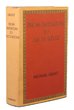
From Imperium to Auctoritas: A Historical Study of Aes Coinage in the Roman Empire, 49 B.C. to A.D. 14. Michael Grant (Cambridge University Press, 1978). Hardcover, 512 pages with 12 plates. A substantial study of Roman aes coinage across the late Republic and early Principate, using the bronze issues as historical evidence for the shift from civil war politics into Augustan authority, and a useful reference for anyone working on types, themes, and monetary messaging in this transitional period. Covers with light wear and shelf dust, spine fading, hardcover with dust jacket, dust jacket with a few edge nicks, inscription to the front endpaper, cover is good for the age and years of use, overall VG from many years of use. From the personal reference library of David Allen, a well known numismatist, formed over more than 50 years and used as a long term reference for research, attribution, and catalogue work.
| SOLD at A$40 | ||
| 13971 |
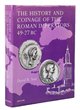
The History and Coinage of the Roman Imperators. David R. Sear (London, Spink, 1998). First edition, hardbound with dust jacket, xxxii, 360 pages, illustrated throughout. A landmark Spink publication, awarded an IAPN Book Prize, and a major departure from Sear?s usual reference format, combining a detailed historical narrative of the Imperatorial era with an integrated, fully illustrated type catalogue of the coinage struck during Rome?s violent transition from Republic to Empire. Structured in six chapters spanning 49 to 27 B.C., it follows the sequence from Pharsalus and the Caesar Pompey civil war, through Thapsus and Munda, the Ides of March and Philippi, Antony?s ascendancy and the tensions of the Triumvirate, the final contest ending with Antony and Cleopatra, and the emergence of Octavian as Augustus, with each section paired to a comprehensive catalogue of the relevant coin types and varieties and a clear explanation of how each issue reflects contemporary events and propaganda. The volume catalogues 435 principal Roman types with valuations, includes an appendix listing 524 types of contemporary local issues with mapping, and provides practical tools for attribution and collecting such as concordances to standard works, comparative rarity tables and value guidance, supported by hundreds of photographic and line illustrations and additional topographical material, making it equally persuasive as a history, a catalogue, and a working study guide for the most dramatic generation in Roman political life. Paper cover with tiny tears, original book cover is in great condition, overall VG from many years of use. From the personal reference library of David Allen, a well known numismatist, formed over more than 50 years and used as a long term reference for research, attribution, and catalogue work.
| SOLD at A$60 | ||
| 13972 |
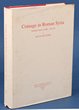
Coinage in Roman Syria: Northern Syria, 64 B.C. to A.D. 253. Kevin Butcher (London, Royal Numismatic Society, 2004). RNS Special Publication, large format, 534 pages with 32 plates, red cloth with dust jacket. A major modern reference for the provincial coinage of northern Syria under Roman rule, long valued for its detailed coverage, careful organisation, and strong plate material, and widely used for attribution, comparison, and catalogue work across the principal minting centres and issues of the region. An important and highly practical study for collectors, researchers, and cataloguers working in Roman provincial numismatics, and a standard reference for this historically rich and complex area. Covers with light wear and shelf dust, spine fading, showing age and use; overall the book is in VG condition. From the personal reference library of David Allen, a well known numismatist, formed over more than 50 years and used as a long term reference for research, attribution, and catalogue work.
| SOLD at A$75 | ||
| 13973 |
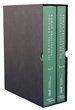
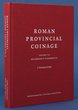
Roman Provincial Coinage, Volume I (Parts I and II) From the Death of Caesar to the Death of Vitellius (44 BC to AD 69). Andrew Burnett, Michel Amandry, Pere Pau Ripolles. London and Paris, British Museum Press and Biblioth?que nationale de France, 1992, reprinted with corrections 1998. Two volumes complete. Large 4to, original gilt-lettered cloth, in the publisher?s protective box. The standard reference for early Roman provincial coinage, covering issues from more than 400 cities across the Roman world and recording over 15,000 coins in more than 5,000 types. Volume I provides the historical and technical framework (authority, magistrates, production, circulation, denominations, designs, and imperial portraiture) followed by a geographically arranged catalogue with full attributions, dates, legends, and concordances; Volume II offers detailed indices (cities, rulers, officials, legends, names, types, countermarks) and a substantial series of plates for dependable identification and typological comparison. A major work of scholarship and a core library set for collectors and researchers. Beautifully preserved, close to new, with firm bindings, bright gilt, and clean pages
| AVAILABLE at A$250 | ||
| 13974 |
Numi Augg. Alexandrini, Catalogo della Collezione G. Dattari, compilato dal proprietario, Volume Primo (Testo). (Forni Editore, Bologna). A key working reprint of the classic Dattari catalogue for the Roman imperial coinage of Alexandria, long relied upon alongside the Dattari numbering as a practical reference for attribution, type checking, and navigation through the vast and often complex Alexandrian series. An especially useful desk volume for collectors, cataloguers, and researchers working with Roman Egypt and its dated provincial coinage. Covers with light wear and shelf dust, spine fading, showing age and use; with some scattered spotting to the opening leaves, overall the book is in VG condition. From the personal reference library of David Allen, a well known numismatist, formed over more than 50 years and used as a long term reference for research, attribution, and catalogue work.
| AVAILABLE at A$40 | ||
| 13975 |
Alexandrian Coins. Keith Emmett (Lodi, Wisconsin, 2001). Large format, approximately 22 ? 28.5 cm, xxviii + 332 pages, with 13 plates, 3 maps, and a built in rarity guide. A major modern corpus of the Roman provincial coinage of Egypt, cataloguing more than 8,300 dated types from Augustus through Domitius Domitianus across all denominations and reverse types, and arranged in a way that makes it especially practical for attribution, particularly in view of the Alexandrian series being dated and tied to the Egyptian calendar. The introductory section clearly explains the dating system and monetary structure, while the main catalogue provides the reverse type and date framework supported by thorough indexes to legends and reverse types, a calendar concordance, strong reference cross links, and especially useful treatment of the Nome coinage and its scarcer local issues. Covers with light wear and shelf dust, spine fading, showing age and use; overall the book is in VG condition. From the personal reference library of David Allen, a well known numismatist, formed over more than 50 years and used as a long term reference for research, attribution, and catalogue work.
| SOLD at A$40 | ||
| 13976 |
Greek Imperial Countermarks: Studies in the Provincial Coinage of the Roman Empire. C. J. Howgego. London, Spink for the Royal Numismatic Society (Special Publication No. 17), reprint edition 2005 (first published 1985). Paperback, 400+ pp. ISBN 0-901405-23-X. The standard modern work on countermarks on Roman provincial coinage, explaining their forms, authorities, dating, and purpose, and using them as primary evidence for military finance, circulation, metrology, and wider economic history in the eastern provinces. Includes five analytical chapters, then a substantial catalogue with a key to types and more than 850 countermark groups recorded from nearly 10,000 coins, supported by abbreviations, geographical and general indexes, and maps and plates. As new.
| SOLD at A$100 | ||
| 13977 |
Greek Imperial Countermarks: Studies in the Provincial Coinage of the Roman Empire. C. J. Howgego (London, Royal Numismatic Society, 1985). RNS Special Publication No. 17, 317 pages with 33 plates illustrating countermarked coins. A standard and highly important reference on Greek imperial countermarks, bringing structure and clarity to one of the more difficult areas of Roman provincial numismatics by cataloguing and interpreting the countermarking practices applied to provincial issues across the empire. Especially valuable for attribution, identification, and comparative study, it remains a fundamental working tool for collectors, dealers, and researchers handling countermarked provincial coinage. Covers with light wear and shelf dust, spine fading, showing age and use; overall the book is in VG condition. From the personal reference library of David Allen, a well known numismatist, formed over more than 50 years and used as a long term reference for research, attribution, and catalogue work.
| SOLD at A$75 | ||
| 13978 |
Roman Provincial Coinage, Volume II (Parts I and II). Andrew Burnett, Michel Amandry and Ian Carradice. London and Paris, British Museum Press and Biblioth?que nationale de France, 1999. Two volumes complete. Large 4to, publisher?s teal cloth with silver-gilt titles, in the publisher?s protective box. Covers the provincial coinage of Vespasian through Domitian (AD 69 to 96). Part I opens with substantial chapters on authority and magistrates, production and circulation, denominations, designs and legends, and the emperors and imperial family, followed by a geographically arranged catalogue ranging from Crete and Greece through Macedonia and Thrace, the Black Sea, Asia Minor, Cyprus, Syria, Nabataea, Judaea, and Alexandria and its nomes, with provision for uncertain issues; entries give full catalogue numbering, dates, denominations, legends, and types. Part II supplies the full working apparatus, including detailed indices (cities, rulers, officials, portraits, Latin and Greek legends, names and titles, types, countermarks) and a large sequence of plates for quick checking and close comparison. A handsome set, very fresh and clean, with tight bindings, crisp cloth, bright titles, and the box keeping both volumes in excellent order.
| AVAILABLE at A$250 | ||
| 13979 |
Roman Provincial Coinage, Volume II, Part I and Part II, From Vespasian to Domitian (A.D. 69?96), Andrew Burnett, Michel Amandry and Ian Carradice, British Museum Press in association with the Biblioth?que nationale de France (London and Paris, 1999), two matching hardbound volumes, Part I presenting the introduction and full catalogue, Part II providing the indices and plates, the standard modern reference cited as RPC II for Flavian provincial issues, covering the coinage struck across the Roman provinces under Vespasian, Titus and Domitian with systematic listings and attribution support, complemented by extensive indexing and a substantial plate section (c. 386 pages, 120 plates). The set presents exceptionally fresh for long-term collector ownership, with only light shelf handling, tight bindings and very clean interiors. From the personal reference library of David Allen, a well known numismatist, formed over more than 50 years and used as a long term reference for research, attribution, and catalogue work.
| SOLD at A$200 | ||
| 13980 |
Roman Provincial Coinage, Volume III (Parts I and II) Nerva, Trajan and Hadrian (AD 96 to 138). Michel Amandry and Andrew Burnett, with J?r?me Mairat and contributors. London and Paris, The British Museum and Biblioth?que nationale de France, 2015. Two volumes complete. Large 4to, publisher?s deep-green cloth with silver lettering, in the publisher?s protective box. A major instalment of the RPC series, recording the provincial coinage of Nerva, Trajan and Hadrian in a carefully organised, geographically arranged catalogue with full details of mints, authorities, dates, denominations, metals, Greek and Latin legends, types, and concordances. The companion volume adds a substantial general introduction on minting practice, denominations, inscriptions, imagery, and imperial messaging, followed by extensive indices (cities, rulers, officials, legends, names, types, countermarks) and a large body of sharp plates for straightforward identification and comparison. Exceptionally well kept, virtually as new, with clean pages, tight bindings, bright cloth, and a box that has preserved the set beautifully.
| SOLD at A$500 | ||
| 13981 |
Roman Provincial Coinage, Volume VII: De Gordien I a Gordien III, 1, Province d?Asie. M. S. Butcher (London, 2006). Hardcover, 448 pages with 67 plates. An authoritative and systematic study of the coinage struck in the Roman province of Asia, prepared to present the material in full for practical attribution while also serving historians, epigraphists, and archaeologists working on the third century empire. Covering the period from the brief reign of Gordien I, A.D. 238, through Gordien III, the catalogue treats the issues of nearly 100 cities, with French introduction and catalogue followed by detailed indices and plates illustrating each major issue listed. Jointly published by the British Museum and the Bibliotheque nationale de France, it remains a major modern reference for the provincial coinage of Asia Minor in this complex period. Covers with light wear and shelf dust, spine fading, showing age and use; overall the book is in VG condition. From the personal reference library of David Allen, a well known numismatist, formed over more than 50 years and used as a long term reference for research, attribution, and catalogue work.
| AVAILABLE at A$75 | ||
| 13982 |
Roman Provincial Coinage, Volume IX (Parts I and II) AD 249 to 254, Part I: Introduction and Catalogue; Part II: Indexes, Maps and Plates. Antony Hostein and J?r?me Mairat, commenced by E. Levante. London and Paris, The British Museum and Biblioth?que nationale de France (BnF ?ditions), 2016. Two volumes complete. Large 4to, publisher?s red cloth with white titles, co-published by British Museum Press and BnF. Part I sets out the historical background for the mid-third century issues, with clear discussion of the emperors and imperial family, reverse types and legends, and the currency and denomination structure, then follows with a careful city-by-city catalogue for Trajan Decius through Uranius Antoninus across Moesia, Dacia, Thrace, Asia Minor, the Levant, Arabia and Egypt, with full types, legends, denominations and concordances throughout. Part II brings together the working tools, extensive indexes (cities, persons, Latin and Greek legends, imperial names and titles, types and countermarks with GIC cross-references), regional maps, and a large sequence of sharp plates for quick checking and confident attribution. Exceptionally fresh set, close to new, with clean bright pages, tight square bindings, and spotless cloth, housed together in a clean protective box cover.
| AVAILABLE at A$250 | ||
| 13983 |
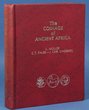
The Coinage of Ancient Africa / Numismatique de l?Ancienne Afrique. Ludvig Muller, Christian Tuxen Falbe, and J. Chr. Lindberg (Obol, Chicago, 1977 reprint). Hardcover in red rexine cloth, issued in four parts bound as one: Volume I, Les monnaies de la Cyrenaique (xii + 175 pages + 6 tables); Volume II, Les monnaies de la Syrtique, de la Byzacene et de la Zeugitane (viii + 188 pages); Volume III, Les monnaies de la Numidie et de la Mauritanie (viii + 194 pages); and the Supplement, Les monnaies de l?ancienne Afrique (vi + 96 pages + 3 plates). Illustrated throughout with many hundreds of crisp line drawings, this remains a very practical and still much used reference for the coinages of North Africa and related series, especially valuable for type checking, attribution, and broad comparative study across a field not easily covered in a single volume. Even in this reprint form it is scarce and not easily found. Covers with light wear and shelf dust, spine fading, showing age and use; top edge a little dusty, overall the book is in VG condition. From the personal reference library of David Allen, a well known numismatist, formed over more than 50 years and used as a long term reference for research, attribution, and catalogue work.
| SOLD at A$40 | ||
| 13984 |
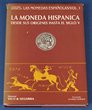
Catalogo General de las Monedas Espanolas, Vol. I: La Moneda Hispanica, Desde Sus Origenes Hasta el Siglo V. Fernando Alvarez Burgos (Madrid, Vico & Segarra, 1987). A standard Spanish language reference covering the early coinage of Hispania from its beginnings through to the fifth century, arranged as a practical catalogue for identification, classification, and everyday attribution work. Widely used across Iberian, Roman provincial, and late antique material, it remains a particularly useful working reference for tracing the monetary development of the peninsula through its successive political and historical phases. Covers with light wear and shelf dust, spine fading, showing age and use; overall the book is in VG condition. From the personal reference library of David Allen, a well known numismatist, formed over more than 50 years and used as a long term reference for research, attribution, and catalogue work.
| AVAILABLE at A$40 | ||
| 13985 |
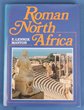
Roman North Africa. E. Lennox Manton (London, Seaby, 1988). Hardcover, 144 pages with 16 pages of plates, richly illustrated in black and white and colour, with bibliography and index. An engaging and very usable introduction to Roman North Africa, combining a clear historical overview with practical attention to the principal cities, monuments, and archaeological sites that survive across the region. A handy reference for collectors, travellers, and readers interested in the Roman provinces of Africa and the material remains of Roman life beyond Italy. Covers with light wear and shelf dust, spine fading, showing age and use; overall the book is in VG condition. From the personal reference library of David Allen, a well known numismatist, formed over more than 50 years and used as a long term reference for research, attribution, and catalogue work.
| SOLD at A$40 | ||
| 13986 |
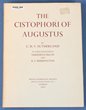
The Cistophori of Augustus. C. H. V. Sutherland (London, Royal Numismatic Society, 1970). RNS Special Publication No. 5, 132 pages with 36 fine plates, red cloth with dust jacket. A compact but important specialist study of the Augustan cistophori, clearly laying out the series in a form that remains highly practical for attribution and close comparison, with excellent plates that make the checking of types, varieties, and related issues straightforward at the desk. A useful and well regarded reference for collectors and researchers working on the coinage of Augustus and the provincial silver of Asia Minor. Covers with light wear and shelf dust, spine fading, showing age and use; overall the book is in VG condition. From the personal reference library of David Allen, a well known numismatist, formed over more than 50 years and used as a long term reference for research, attribution, and catalogue work.
| SOLD at A$40 | ||
| 13987 |
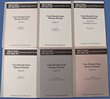
Coin Hoards from Roman Britain, British Museum (Andrew M. Burnett, Roger F. Bland, et al.), set of six volumes comprising Volumes III, IV, II, VII, VI and V (London, 1981 to 1987), around 1,000 pages in total, published in the British Museum Occasional Paper sequence (including Nos. 31, 33, 43, 54, 58 and 59), each in grey card covers with cloth spines and illustrated with halftone plates, presenting full hoard inventories with concise commentary that underpin the study of Romano British coin circulation and deposition. Volume II is iv + 121 pages, Volume III is Bland?s dedicated study of the Blackmoor Hoard with 115 pages plus 10 plates, and Volume IV publishes 57 hoards, most found within the previous decade, with detailed listings and discussion. Volume V runs to iv + 150 pages, while Volumes VI and VII extend the run into the later period, with VI at 186 pages and VII at 208 pages, the latter including a broad set of papers focused on 4th and early 5th century hoards from multiple counties. VF, with clear signs of use and handling to the paper covers, but the interiors remain very well preserved overall. From the personal reference library of David Allen, a well known numismatist, formed over more than 50 years and used as a long term reference for research, attribution, and catalogue work.
| AVAILABLE at A$100 | ||
| 13988 |
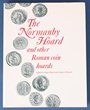
The Normanby Hoard and Other Roman Coin Hoards (Coin Hoards from Roman Britain, 8). Roger Bland and Andrew Burnett (eds.) (London, British Museum, 1988). Quarto, 238 pages with 40 plates of coins, in original red boards with gilt and dust jacket. A significant hoard publication and an important volume in the Coin Hoards from Roman Britain series, presenting the Normanby material alongside other major finds in a format intended for serious study of circulation, chronology, and the wider evidence that hoards provide for Roman monetary history. Strongly illustrated and carefully arranged, it remains a very useful reference for collectors, researchers, and cataloguers working on Roman coin finds and hoard evidence. Covers with light wear and shelf dust, spine fading, showing age and use; dust jacket lightly worn, overall the book is in VG condition. From the personal reference library of David Allen, a well known numismatist, formed over more than 50 years and used as a long term reference for research, attribution, and catalogue work.
| AVAILABLE at A$75 | ||
| 13989 |
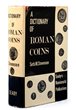
A Dictionary of Roman Coins, Republican and Imperial. Stevenson, Seth William, and Frederic W. Madden (1889). Hardcover. An important classic of nineteenth century numismatic scholarship, arranged as an alphabetically ordered dictionary to support identification, attribution, and catalogue work across the full range of Roman Republican and Imperial coinage. Built around clear, workmanlike entries, it treats moneyers and gentes, emperors and usurpers, denominations, mints, legends and abbreviations, titles and offices, and the broad vocabulary of Roman coin iconography, including personifications, deities, mythological scenes, and recurring reverse themes, making it especially useful when a type, name, or inscription needs quick confirmation and a short explanation. Many entries expand into substantial discussions that tie coin designs to historical and religious context, with references to standard older authorities and scholarly notes, and it is particularly strong where mythology and cult imagery intersect with Roman coin types, such as extended treatments of Hercules themes and related series, presented with the kind of detail that reflects a serious working reference rather than a light overview. This edition is not illustrated and is not indexed, but it remains a handy desk companion for collectors and cataloguers who value the older reference tradition and its dense, cross-referenced approach. Paper cover with tiny tears, original book cover is in great condition, overall VG from many years of use. From the personal reference library of David Allen, a well known numismatist, formed over more than 50 years and used as a long term reference for research, attribution, and catalogue work.
| SOLD at A$75 | ||
| 13990 |
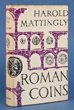
Roman Coins from the Earliest Times to the Fall of the Western Empire. Harold Mattingly (London, Methuen, 1967 reprint of the 1928 original). 300 pages with 64 plates, black cloth with dust jacket. A solid and well written survey of Roman Republican and Imperial coinage by one of the leading scholars behind both the British Museum catalogues and the RIC tradition, offering a clear and readable account of how coinage fits within the wider course of Roman history. Still very useful as an intermediate reference, it serves as an excellent bridge between a basic introduction and the larger specialist corpora, with the added authority of Mattingly?s long experience in the field. Covers with light wear and shelf dust, spine fading, showing age and use; overall the book is in VG condition. From the personal reference library of David Allen, a well known numismatist, formed over more than 50 years and used as a long term reference for research, attribution, and catalogue work.
| SOLD at A$50 | ||
| 13991 |
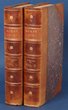
A Descriptive Catalogue of Rare and Unedited Roman Coins, from the Earliest Period of the Roman Coinage, to the Extinction of the Empire under Constantinus Paleologos, James Yonge Akerman, complete two-volume first edition, London, Effingham Wilson (Royal Exchange), 1834, 8vo, collated pp. [2], xxi, [1], 506 and [2], 512, with engraved vignette title pages and complete with 22 engraved plates drawn and engraved by Henry A. Ogg, a desirable early Victorian Roman-coin reference compiled by one of the key figures in British numismatics, later closely associated with the Numismatic Society and the Society of Antiquaries, and still cited for its early documentation of scarcer and then little-published varieties. Uniformly bound in matching half leather hardback with gilt-lettered spine labels, firm and square with strong joints, showing honest signs of use and handling, contents evenly toned, a small old now faded stain to a few pages in Volume II and an early owner name to the endpapers, not ex-library, From the personal reference library of David Allen, a well known numismatist, formed over more than 50 years and used as a long term reference for research, attribution, and catalogue work. and overall a very good, solid set.
| SOLD at A$150 | ||
| 13992 |
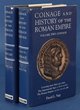
Coinage and History of the Roman Empire, c82 B.C. to A.D. 480, David L. Vagi, complete two-volume set, Volume One (History) and Volume Two (Coinage), a major illustrated reference of about 1,294 pages that follows the 550 year span from the late Republic through the Western Empire, structured into twelve clear epochs, each introduced with a concise historical and social overview, then supported by an extensive numismatic section with practical guidance on types, legends, denominations, dating, mints, and values, followed by a large catalog and value tables with useful concordances (including Crawford and RPC), plus bibliography and both alphabetical and chronological indexes, widely regarded as an updated, scholarship-aware tool for collectors and researchers. Paper covers show visible handling wear, but the books themselves present in near-perfect condition overall, clean and very well kept. From the personal reference library of David Allen, a well known numismatist, formed over more than 50 years and used as a long term reference for research, attribution, and catalogue work.
| SOLD at A$150 | ||
| 13993 |
Records of Roman History, from Cnaeus Pompeius to Tiberius Constantinus, as Exhibited on the Roman Coins. Francis Hobler (Westminster, John Bowyer Nichols and Sons, 1860). Complete original two-volume set. An early, ambitious numismatic history by the former Secretary of the Numismatic Society of London, presenting Roman history through coin types, legends, and iconography, beginning with Pompey and continuing through the imperial period into the early Byzantine era, with the second volume carrying the later reigns and including substantial coverage for Antoninus Pius within the overall sequence. Both volumes retain, laid in, the original Spink and Son Ltd. publisher?s prospectus for The Roman Imperial Coinage (Mattingly and Sydenham), listing the early volumes with period publication details and prices for ?sewed? and ?bound? copies, and including contemporary endorsements by Sir George Macdonald and Sir George Hill. Covers with light wear and shelf dust, spine fading, covers are good for the age and years of use, overall VG from many years of use, an exceptionally scarce set to find complete in the original 1860 edition and seldom encountered on the market. From the personal reference library of David Allen, a well known numismatist, formed over more than 50 years and used as a long term reference for research, attribution, and catalogue work.
| AVAILABLE at A$500 | ||
| 13994 |
Coins of the Roman Empire in the British Museum (BMCRE). Harold Mattingly (London, reprint set issued 1965?1976). Complete set, 6 parts in 8 volumes, full cloth with dust jackets. An excellent reprint of one of the most important public collection catalogues of Roman imperial coinage, covering the series from Augustus to Balbinus and Pupienus, valued not only for its detailed listings and plates but also for the substantial historical and numismatic commentary that gives the work its lasting scholarly importance. The set comprises Volume I, Augustus to Vitellius; Volume II, Vespasian to Domitian; Volume III, Nerva to Hadrian; Volume IV, Antoninus Pius to Commodus; Volume V, Pertinax to Elagabalus; and Volume VI, Severus Alexander to Balbinus and Pupienus, issued in 6 parts across 8 volumes, with three volumes in limited form. This set was kept for decades in the collector?s own library, used closely in the study of his personal collection and throughout his career as a numismatist. Covers with light wear and shelf dust, spine fading, showing age and use; overall the set is in VG condition. From the personal reference library of David Allen, a well known numismatist, formed over more than 50 years and used as a long term reference for research, attribution, and catalogue work.
| AVAILABLE at A$750 | ||
| 13995 |
The Roman Imperial Coinage (RIC), Volume I: 31 B.C. to A.D. 69. C. H. V. Sutherland, revised edition (London, Spink, 1984). 304 pages with 32 fine plates. The standard reference for the coinage from Augustus through the Julio-Claudian period to A.D. 69, and the preferred first printing of this revised edition, valued for the superior collotype plates compared with later impressions. A fundamental working volume for Roman imperial numismatics, long relied upon for attribution, chronology, and catalogue work across the opening phase of the imperial series. Covers with light wear and shelf dust, spine fading, showing age and use; overall the book is in VG condition. From the personal reference library of David Allen, a well known numismatist, formed over more than 50 years and used as a long term reference for research, attribution, and catalogue work.
| SOLD at A$60 | ||
| 13996 |
Catalogue des Monnaies de l?Empire Romain, I, Auguste. J. B. Giard (Paris, Bibliotheque nationale, 1976, first edition). 258 pages with 75 plates, cataloguing 1,819 coins and noting 21 modern forgeries, arranged chronologically by mint and supported by a highly useful dating table by year, tribunician year, consulship, imperatorial and related titles, tied to key historical events, making it an especially practical reference for precise Augustan chronology and mint by mint attribution. A serious and well structured scholarly work, long valued for the clarity of its organisation and its usefulness at the desk for close cataloguing and chronological study. Covers with light wear and shelf dust, spine fading, showing age and use; bump to the top of the spine, previous owner?s signature on the front free endpaper, and with the author?s compliments slip present, overall the book is in VG condition. From the personal reference library of David Allen, a well known numismatist, formed over more than 50 years and used as a long term reference for research, attribution, and catalogue work.
| AVAILABLE at A$40 | ||
| 13997 |
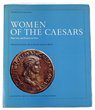
Women of the Caesars: Their Lives and Portraits on Coins. Giorgio Giacosa, translated by R. Ross Holloway (Milan, Edizioni Arte e Moneta, 1977, first edition). Hardcover in blue cloth with pictorial dust jacket, 127 pages, with 71 high quality plates (many by Max Hirmer, several in colour) and seven genealogical charts, housed in the publisher?s slipcase. A handsome, well produced study that brings together concise biographical portraits of the imperial women with a strong visual record of their coinage, showing how empresses and female members of the ruling house were presented to the public through official portraiture and titulature, and how these images evolved across dynasties and political circumstances. Particularly useful as an attribution and context guide for collectors, it links the coins directly to the lives, marriages, and family networks of the court, with the genealogical charts clarifying relationships and successions while the plates provide excellent comparative material for identifying portraits and types. Paper cover with light wear and shelf dust, original book cover is in great condition, overall VG from many years of use. From the personal reference library of David Allen, a well known numismatist, formed over more than 50 years and used as a long term reference for research, attribution, and catalogue work.
| SOLD at A$85 | ||
| 13998 |
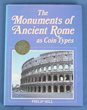
The Monuments of Ancient Rome as Coin Types. Philip V. Hill (London, Seaby, 1989, first edition). Hardcover with dust jacket, 145 pages, richly illustrated in black and white with 203 coin illustrations, 35 topographical illustrations, and two maps. A focused and highly practical study linking Roman coin reverse types to the monuments they represent, especially useful for identifying architectural subjects on coins and for placing them within their wider topographical and historical setting. An appealing reference for collectors drawn to architectural types as well as for anyone wanting a clearer understanding of what Roman coins are actually depicting. Covers with light wear and shelf dust, spine fading, showing age and use; overall the book is in VG condition. From the personal reference library of David Allen, a well known numismatist, formed over more than 50 years and used as a long term reference for research, attribution, and catalogue work.
| AVAILABLE at A$40 | ||
| 13999 |
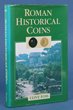
Roman Historical Coins. Clive Foss (London, Spink & Son Ltd., 1990). Hardcover, well illustrated. A useful and intelligently written guide treating Roman coin types as historical documents, linking the coinage to rulers, events, and imperial propaganda in a way that makes the subject especially approachable for collectors and researchers alike. Particularly handy for those forming historically themed collections, it provides clear context directly tied to the coins themselves and remains a practical reference for understanding the wider message behind Roman types and series. The book appears not often encountered in current online trade, with Amazon Australia showing a new copy at $1,059 and AbeBooks listing a used example, which supports its growing scarcity in the market. Covers with light wear and shelf dust, spine fading, showing age and use; overall the book is in VG condition. From the personal reference library of David Allen, a well known numismatist, formed over more than 50 years and used as a long term reference for research, attribution, and catalogue work.
| SOLD at A$75 | ||
| 14001 |
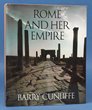
Rome and Her Empire. (History and Politics series). 320 pages, heavily illustrated with hundreds of black and white and colour photographs, illustrations, and maps. A broad and accessible survey of Rome, its empire, and daily life across both the capital and the provinces, touching on the principal themes of Roman history, politics, society, and material culture in a clear and well illustrated format. A useful general reference, especially for readers wanting a wide visual and historical overview in a single volume. Covers with light wear and shelf dust, spine fading, showing age and use; overall the book is in VG condition. From the personal reference library of David Allen, a well known numismatist, formed over more than 50 years and used as a long term reference for research, attribution, and catalogue work.
| AVAILABLE at A$100 | ||
| 14002 |
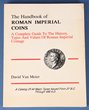
The Handbook of Roman Imperial Coins: A Complete Guide to the History, Types and Values of Roman Imperial Coinage. David Van Meter, Ph.D. (first published 1991). A collector?s favourite and long out of print, HRIC is a genuinely practical one volume reference, combining readable introductory chapters with a substantial catalogue section covering 8,160 types and major varieties, supported by more than 1,000 photographs. Especially useful for fast attribution, it also helps the user work through legends, authorities, dates, and common reverse themes by means of its built in tables and lexicon, while the catalogue entries include explanatory notes on types and translations of legends. Although the value ranges are now dated, they remain helpful as a guide to relative scarcity and collecting priorities, and the book continues to serve as a highly convenient desk reference for collectors and cataloguers of Roman imperial coinage. Covers with light wear and shelf dust, spine fading, showing age and use; overall the book is in VG condition. From the personal reference library of David Allen, a well known numismatist, formed over more than 50 years and used as a long term reference for research, attribution, and catalogue work.
| SOLD at A$55 | ||
| 14003 |
Corpus Nummorum Romanorum, 17-volume set. A. Banti and L. Simonetti (Florence, 1972?1978). Large format (19.5 ? 27 cm), bilingual Italian and English, bound in matching green cloth, a substantial catalogue-style Roman coin reference run assembled as a working corpus and impressive to find together as a shelf set. Volumes present as: Vol. 1 (1972, xi + 313 pages), Vol. 2 (1973, vii + 324), Vol. 3 (1973, viii + 282), Vol. 4 (1974, viii + 307), Vol. 5 (1974, viii + 328), Vol. 6 (1974, viii + 277), Vol. 7 (1975, viii + 340), Vol. 8 (1975, viii + 329), Vol. 9 (1976, viii + 319), Vol. 10 (1976, viii + 307), Vol. 11 (1976, viii + 338, with the last two pages torn), Vol. 12 (1976, viii + 332), Vol. 13 (1977, viii + 304), Vol. 14 (1977, viii + 332), Vol. 15 (1977, viii + 344), Vol. 16 (1978, viii + 339), Vol. 17 (1978, viii + 283). Covers with light wear and shelf dust, spine fading, some foxing to page edges and peripheral toning to some leaves, cloth bindings lightly used with a little fading to a few volumes, cover is good for the age and years of use, overall VG from many years of use. From the personal reference library of David Allen, used for many years as a long term reference for research, attribution, and catalogue work.
| AVAILABLE at A$500 | ||
| 14004 |
Munzpragung und Munzbildnis des Claudius. H. M. von Kaenel (Berlin, 1986). Folio, 284 pages with 55 plates. A detailed and important specialist study of the coinage and portraiture of Emperor Claudius, using numismatic evidence to trace the development of his official image across issues and mints, and supported by strong plate material that makes the volume especially useful for close comparison, attribution, and further research. Covers with light wear and shelf dust, spine fading, showing age and use, with a few knocks to the front board; overall the book is in VG condition. From the personal reference library of David Allen, a well known numismatist, formed over more than 50 years and used as a long term reference for research, attribution, and catalogue work.
| AVAILABLE at A$100 | ||
| 14005 |
Roman Imperial Coinage, Volume II, Part 1: Vespasian to Domitian. I. A. Carradice and T. V. Buttrey (London, Spink, 2007, second edition revised). Hardcover in cloth with illustrated dust jacket, xxiii, 404 pages, with 160 black and white plates. The essential modern volume of RIC for the Flavian period, covering the imperial coinage from A.D. 69 to 96, and long regarded as the standard reference for identifying, attributing, and cataloguing the issues of Vespasian, Titus, and Domitian across metals and denominations. This thoroughly updated edition presents the series in a rigorous catalogue structure with detailed type listings, legends, mint and issue organization, and extensive plate coverage for close comparison, making it the core working tool for collectors, researchers, and auction cataloguers dealing with Flavian coinage. Paper cover with light wear and shelf dust, original book cover is in great condition, overall VG from many years of use. From the personal reference library of David Allen, a well known numismatist, formed over more than 50 years and used as a long term reference for research, attribution, and catalogue work.
| SOLD at A$85 | ||
| 14006 |
The Dating and Arrangement of the Undated Coins of Rome A.D. 98?114. Philip V. Hill, with a foreword by C. H. V. Sutherland (London, Spink, 1970). 215 pages, with two fine collotype plates, red cloth in dust jacket, with a previous owner?s bookplate on the front pastedown. A highly regarded specialist study tackling one of the practical challenges of early Trajanic numismatics, the systematic dating and ordering of issues that are not explicitly dated, using careful analysis of legends, titulature changes, control marks, and type sequencing to reconstruct a coherent arrangement for the Rome mint coinage from A.D. 98 to 114. Valued as a working tool for serious collectors and cataloguers, it provides a clear methodological framework for placing coins into tighter chronological order than standard general catalogues typically allow, and remains an important reference point for attribution decisions, die and issue organization, and research into the development of Trajan?s early and middle reign coinage. Paper cover with light wear and shelf dust, original book cover is in great condition, overall VG from many years of use. From the personal reference library of David Allen, a well known numismatist, formed over more than 50 years and used as a long term reference for research, attribution, and catalogue work.
| AVAILABLE at A$40 | ||
| 14007 |
Roman Imperial Coins in the Hunter Coin Cabinet, University of Glasgow, Volumes I?V. Anne S. Robertson (Oxford, 1962?1982). Complete five-volume set in publisher?s cloth, approximately 16 ? 26 cm, comprising 1,857 pages plus indices and 432 plates, covering the full imperial sequence from Augustus to Zeno: Vol. I, Augustus to Nerva; Vol. II, Trajan to Commodus; Vol. III, Pertinax to Aemilian; Vol. IV, Valerian I to Allectus; and Vol. V, Diocletian (reform) to Zeno. A carefully compiled institutional catalogue of one of the major university collections, with systematic cross references to Cohen, RIC, and BMCRE, and useful reign by reign discussions placing the Hunter material within a broader typological framework. It is genuinely rare to encounter all five volumes together as a complete set, especially in such sound working condition, and this set was kept for decades in the collector?s own library, used closely in the study of his personal collection and throughout his career as a numismatist. Covers with light wear and shelf dust, spine fading, showing age and use; no dust jackets, with the usual ex-library markings including defaced bookplates and some rubbing and edge wear; overall the set is in VG condition. From the personal reference library of David Allen, a well known numismatist, formed over more than 50 years and used as a long term reference for research, attribution, and catalogue work.
| AVAILABLE at A$750 | ||
| 14008 |
Le monnayage de bronze de Postume. P. Bastien (Wetteren, 1967). Hardcover, 239 pages with 66 plates. A rare and important specialist study of the bronze coinage of Postumus, long valued as a practical reference for attribution and comparison, with strong plate coverage that makes it especially useful for checking types, varieties, and fabric across this major Gallic Empire series. Covers with light wear and shelf dust, spine fading, showing age and use; overall the book is in VG condition. From the personal reference library of David Allen, a well known numismatist, formed over more than 50 years and used as a long term reference for research, attribution, and catalogue work.
| SOLD at A$60 | ||
| 14009 |
The Cunetio Treasure: Roman Coinage of the Third Century A.D. E. M. Besly and Roger Bland, with contributions by Ian Carradice and Christopher Gingell, foreword by Robert Carson (British Museum Publications, 1983). Large format quarto, approximately 210 ? 275 mm, black cloth with gilt lettered spine, in the original black dust jacket, 199 pages of text with 40 black and white plates. The standard publication of the Cunetio Hoard, recording 54,951 coins, the largest Roman coin hoard found in Britain, and a major reference for the coinage of the third century A.D., combining a detailed catalogue of the find with illustrations of more than a thousand coins and substantial introductory discussion of the archaeological background, comparisons with other third century hoards, and important observations on mints and the sequence of issues. Covers with light wear and shelf dust, spine fading, showing age and use; fore edge a little grubby and the dust jacket with handling wear and moderate shelf and edge wear, but overall the book is in VG condition, internally clean and soundly bound. From the personal reference library of David Allen, a well known numismatist, formed over more than 50 years and used as a long term reference for research, attribution, and catalogue work.
| AVAILABLE at A$75 | ||
| 14010 |
Le Monnayage de l?Atelier de Lyon, de la r?ouverture de l?atelier par Aur?lien ? la mort de Carin (fin 274-mi 285). Pierre Bastien (Numismatique Romaine, Essais, Recherches et Documents IX, Wetteren, Belgique, Editions Numismatique Romaine, 1976). A specialist mint study of the Lyon atelier across the decisive years of the late third century, treating the coinage systematically and providing a solid working framework for attribution, sequencing, and historical context from the reopening of the mint under Aurelian through to the death of Carinus. An important and practical reference for the Aurelianic and post Aurelian bronze series, and a useful desk tool for anyone working closely on the complex output of Lyon in this period. Covers with light wear and shelf dust, spine fading, showing age and use; overall the book is in VG condition, internally clean and sound. From the personal reference library of David Allen, a well known numismatist, formed over more than 50 years and used as a long term reference for research, attribution, and catalogue work.
| AVAILABLE at A$75 | ||
| 14011 |
Le preziose patine dei sesterzi di Roma imperiale (The Superb Patinas of the Sestertii of Imperial Rome). Elio Biaggi (Italy, 1992). Large format colour plate book, 300 pages illustrating 735 Roman sestertii in full colour, bilingual in Italian and English, hardbound in black leatherette with slipcase. A striking and highly useful visual reference devoted to the remarkable patinas found on Roman imperial sestertii, illustrating the full range of surfaces from so called Tiber patinas to deep greens, reds, and related cabinet tones across the series from Augustus to Postumus. Especially valuable for collectors and specialists interested in bronze surfaces, eye appeal, and comparative study, it remains an impressive plate work and an increasingly desirable reference in its own right. An example appeared in CNG Auction 410, lot 742, hammering at $360 excluding the buyer?s fee. Covers with light wear and shelf dust, spine fading, showing age and use; slipcase with light handling wear, overall the book is in VG condition. From the personal reference library of David Allen, a well known numismatist, formed over more than 50 years and used as a long term reference for research, attribution, and catalogue work.
| SOLD at A$150 | ||
| 14012 |
Roman Coins & Their Values - Vol III, the accession of Maximinus I to the death of Carinus, AD 235-285. By David Sear, Pub Spink 2005, 536 pgs. Describes & values (3 grades) 4432 coins with illustration throughout. Essential reference. Scuffing to the dust jacket, contents as new.
| SOLD at A$85 | ||
| 14013 |
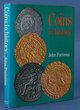
Coins in History: A Survey of the Coinage from the Reform of Diocletian to the Latin Monetary Union. (Putnam, 1969). Hardcover, 251 pages. A broad and readable historical survey tracing the development of coinage from the reforms of Diocletian through the medieval and early modern periods to the age of national currencies, concluding with the nineteenth century Latin Monetary Union. Particularly useful for the way it treats coinage not simply as a series of types, but as evidence for political change, trade, monetary policy, and the wider economic history of the societies that produced it. Covers with light wear and shelf dust, spine fading, showing age and use; overall the book is in VG condition. From the personal reference library of David Allen, a well known numismatist, formed over more than 50 years and used as a long term reference for research, attribution, and catalogue work.
| SOLD at A$40 | ||
| 14014 |
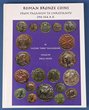
Roman Bronze Coins (covering the seventy-year transition from Diocletian?s reform era to Constantine?s long rule). A practical, single-volume guide that uses late Roman bronze coinage to trace the visible shift from pagan iconography to increasingly prominent Christian symbols as the new religion became embedded in state life. Opening with Diocletian?s empire-wide coin reform and his failed attempt at price controls, it moves into the fourth century and shows how the restructured imperial system set the stage for Constantine the Great and the Christian transformation. Designed for hands-on attribution, it offers multiple pathways for identifying and cataloging coins, including charts to separate rulers and personages with shared names and titles, tools for working from reverse legends or reverse scenes (with a thematic iconography section), notes on expanded reverse varieties marked by an asterisk before the catalogue number, and detailed guidance for dating by mint and control marks (exergue and field), with commentary on the possible meaning of letters and symbols and mint-by-mint pages that narrow issues by process of elimination. A historical framework links dated issues to events via an opening history chapter, while Appendix A provides a ready Coin Attribute Reference Chart for dates, names, denominations, weights, and related identifiers. High quality example. Paper cover with tiny tears, original book cover in great condition, overall VG from many years of use. From the personal reference library of David Allen, a well known numismatist, formed over more than 50 years and used as a long term reference for research, attribution, and catalogue work.
| SOLD at A$40 | ||
| 14016 |
Roman Coins & Their Values - Vol IV, the tetrarchies and the rise of the house of Constantine. The collapse of Paganism and the triumph of Christianity, Diocletian to Constantine I, AD 284-337. By David Sear, Pub by Spink 2011, 552 pgs. Describes & values (3 grades) 4405 coins with illustrations throughout. Essential reference. Slight scuffing to the dust jacket, contents new.
| SOLD at A$90 | ||
| 14017 |
The Roman Imperial Coinage, Volume VIII: The Family of Constantine I. J. P. C. Kent (London, Spink & Son Ltd., 1981). A key late-volume RIC reference and the first comprehensive study of the coinage of the House of Constantine, covering a decisive phase in which the late empire?s monetary system moves away from the older base billon tradition, with important discussion of mint marks, officina organisation, and the experimentation in module and weight that defines this difficult period of the fourth century. Covers with light wear and shelf dust, spine fading, showing age and use; overall the book is in VG condition. From the personal reference library of David Allen, a well known numismatist, formed over more than 50 years and used as a long term reference for research, attribution, and catalogue work.
| AVAILABLE at A$75 | ||










| First | Previous | Next | Last | Index |